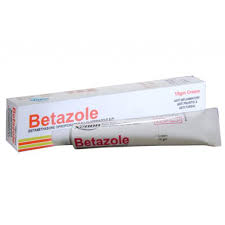
Clotrimazole Betamethasone Topical is a medication that combines an antifungal agent called clotrimazole with a corticosteroid called betamethasone. It is primarily used to treat various skin infections caused by fungi, such as athlete’s foot, jock itch, and ringworm. This article will provide an overview of the uses, benefits, side effects, and warnings associated with this medication.
Uses
Clotrimazole Betamethasone Topical is commonly prescribed by healthcare professionals to treat fungal skin infections. The clotrimazole component of the medication works by inhibiting the growth of fungi, while the betamethasone component reduces inflammation and relieves itching. This combination provides effective relief for a wide range of fungal infections.
Some common uses of Clotrimazole Betamethasone Topical include:
1. Athlete’s Foot: This medication can effectively treat the itchy, scaly rash that often affects the feet and toes in athletes.
2. Jock Itch: Clotrimazole Betamethasone Topical can be used to alleviate the discomfort and itching associated with jock itch, a common fungal infection affecting the groin area.
3. Ringworm: This medication can help eliminate the circular, red, and itchy rash caused by ringworm, which can affect various parts of the body.
4. Yeast Infections: Clotrimazole Betamethasone Topical can be used to treat yeast infections on the skin, such as candidiasis.
Benefits
The combination of clotrimazole and betamethasone in this topical medication offers several benefits for individuals suffering from fungal skin infections:
1. Dual Action: The antifungal and anti-inflammatory properties of this medication work together to combat both the infection and the associated symptoms, providing relief and promoting healing.
2. Rapid Relief: Clotrimazole Betamethasone Topical usually provides quick relief from itching, redness, and inflammation, helping patients feel more comfortable in a shorter period.
3. Convenient Application: The medication comes in the form of a cream or lotion that is easy to apply directly to the affected areas, ensuring targeted treatment.
Side Effects
While Clotrimazole Betamethasone Topical is generally safe and well-tolerated, it may cause some side effects in certain individuals. These side effects are usually mild and may include:
1. Skin Irritation: Some users may experience redness, burning, or itching at the application site. If these symptoms persist or worsen, it is advisable to consult a healthcare professional.
2. Dry Skin: In some cases, the medication may cause dryness or peeling of the skin. Applying a moisturizer after using the medication can help alleviate this side effect.
3. Allergic Reactions: Although rare, some individuals may develop an allergic reaction to the medication. Signs of an allergic reaction may include rash, hives, swelling, or difficulty breathing. Seek immediate medical attention if any of these symptoms occur.
Warnings
Before using Clotrimazole Betamethasone Topical, it is important to consider the following warnings:
1. Not for Ophthalmic Use: This medication is for external use only and should not be used in the eyes or applied to mucous membranes.
2. Pregnancy and Breastfeeding: It is essential to inform your healthcare provider if you are pregnant, planning to become pregnant, or breastfeeding, as the safety of the medication during these conditions has not been established.
3. Interactions: Inform your healthcare professional about any other medications, supplements, or herbal products you are taking, as they may interact with Clotrimazole Betamethasone Topical.
4. Long-term Use: Prolonged use of this medication or application to large areas of the body may increase the risk of side effects. It is important to follow the prescribed dosage and duration recommended by your healthcare professional.
5. Consultation: Always consult a healthcare professional before using Clotrimazole Betamethasone Topical, especially if you have any underlying medical conditions or if the infection does not improve after a reasonable period.
FAQs
No, it is not recommended to apply this medication on open wounds or broken skin. Consult your healthcare professional for appropriate treatment options.
No, this medication is not indicated for diaper rash. Consult your healthcare professional for suitable alternatives.
The timeframe for improvement varies depending on the severity of the infection. It is advisable to follow the prescribed treatment duration and consult your healthcare professional if there is no improvement.
It is generally not recommended to use this medication on the face unless specifically instructed by your healthcare professional. The skin on the face is more sensitive and may be more prone to side effects.
It is advisable to avoid applying makeup or other skincare products to the affected area while using this medication, as it may interfere with its effectiveness. Consult your healthcare professional for specific guidance.






