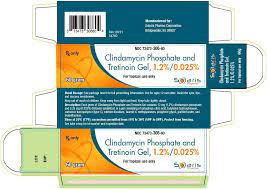
Clindamycin Tretinoin Topical is a medication that is commonly used to treat acne. It combines two active ingredients, clindamycin and tretinoin, which work together to reduce inflammation and promote skin cell turnover. This topical treatment is available in the form of a gel or cream and is typically applied directly to the affected areas of the skin.
Uses
Clindamycin Tretinoin Topical is primarily used for the treatment of acne vulgaris, a common skin condition that causes pimples, blackheads, and whiteheads. The combination of clindamycin and tretinoin helps to clear up existing acne lesions and prevent new ones from forming. It works by combating the bacteria that contribute to acne and promoting the shedding of dead skin cells, which can clog pores and lead to breakouts.
Benefits
There are several benefits to using Clindamycin Tretinoin Topical for acne treatment. Firstly, it is an effective solution for both inflammatory and non-inflammatory acne lesions. This means that it can help reduce redness, swelling, and pain associated with acne, as well as clear up blackheads and whiteheads. Additionally, this medication is known to improve the overall texture and appearance of the skin, leaving it smoother and more radiant.
Side Effects
Like any medication, Clindamycin Tretinoin Topical may cause side effects. The most common side effects include dryness, redness, and peeling of the skin at the application site. These side effects are usually mild and temporary, and can be managed by using a moisturizer and following a gentle skincare routine. In rare cases, individuals may experience more severe side effects such as severe skin irritation or allergic reactions. If you experience any unusual or persistent side effects, it is important to consult your healthcare provider.
Warnings
Before using Clindamycin Tretinoin Topical, it is important to consider certain precautions and warnings. Firstly, this medication should only be used externally and should not come into contact with the eyes, mouth, or other mucous membranes. If accidental contact occurs, rinse thoroughly with water. Additionally, it is important to avoid excessive sun exposure and use sunscreen while using this medication, as it may increase the skin’s sensitivity to sunlight. Lastly, it is advisable to avoid using other topical acne medications or products that may cause skin irritation while using Clindamycin Tretinoin Topical.
FAQs
Results may vary, but it typically takes several weeks to notice a significant improvement in acne symptoms. Consistent use and adherence to the prescribed treatment plan are important for optimal results.
While this medication may be suitable for individuals with sensitive skin, it is best to consult with a dermatologist who can assess your specific skin condition and recommend the most appropriate treatment.
It is important to inform your healthcare provider if you are pregnant or planning to become pregnant before using this medication. They can evaluate the potential risks and benefits and provide guidance on its use during pregnancy.
This medication is typically not recommended for use in children under the age of 12. However, a dermatologist can provide personalized advice based on the child’s specific condition.
If accidental ingestion occurs, seek medical attention immediately or contact a poison control center. It is important to follow their guidance and advice.






