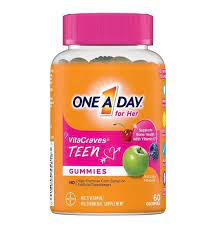
Teenagers undergo a period of rapid growth and development, making it crucial for them to receive adequate nutrition to support their overall health. While a balanced diet is essential, it may be challenging for some individuals to meet their nutritional requirements solely through food intake. In such cases, a daily teen multivitamin can be a valuable supplement to ensure teenagers obtain the necessary vitamins and minerals. This article will explore the uses, benefits, side effects, and warnings associated with daily teen multivitamins.
Uses
Teenagers require a range of vitamins and minerals to support their growth, development, and overall well-being. Daily teen multivitamins are specifically formulated to cater to the unique nutritional needs of this age group. These supplements are designed to complement a balanced diet and provide additional vitamins and minerals that may be lacking in their daily food intake. A daily teen multivitamin can help fill the nutrient gaps and support healthy growth, strong bones, a robust immune system, and overall vitality.
Benefits
1. Nutritional Support: Teenagers often have busy schedules, making it challenging to maintain a consistently nutritious diet. A daily teen multivitamin can help bridge the nutritional gaps, ensuring they receive essential vitamins and minerals vital for their well-being.
2. Healthy Growth: Adolescence is a critical period for growth and development. Daily teen multivitamins provide nutrients necessary for bone health, muscle development, and overall physical growth.
3. Enhanced Energy Levels: Teenagers often require a significant amount of energy to fuel their active lifestyles. A daily multivitamin can provide essential B vitamins, which play a crucial role in converting food into energy, giving teenagers the boost they need to tackle their daily activities.
4. Stronger Immune System: A robust immune system is vital to ward off illnesses and infections. Daily teen multivitamins contain vitamins A, C, and E, as well as zinc and selenium, which are known to support a healthy immune system.
5. Cognitive Support: Teenagers’ cognitive abilities are still developing, and proper nutrition can have a positive impact on their brain function. Daily teen multivitamins often contain vitamins such as B6, B12, and folate that support brain health and cognitive function.
Side Effects
While daily teen multivitamins are generally safe when taken as directed, there can be some side effects if consumed in excess. These may include:
1. Upset Stomach: Some individuals may experience mild gastrointestinal discomfort, such as nausea or diarrhea, if the multivitamin is taken on an empty stomach or in high doses.
2. Allergic Reactions: Rarely, individuals may have an allergic reaction to certain ingredients in the multivitamin. Symptoms may include skin rashes, itching, or swelling. If any allergic reactions occur, immediate medical attention should be sought.
3. Vitamin Toxicity: Overconsumption of certain vitamins can lead to toxicity. Fat-soluble vitamins like A, D, E, and K can accumulate in the body and cause adverse effects when taken in excessive amounts.
4. Interference with Medications: Some multivitamins may interact with certain medications, reducing their effectiveness or causing unwanted side effects. It is important to consult a healthcare professional or pharmacist before starting any new supplement.
5. Discoloration of Urine: Certain multivitamins, particularly those containing high amounts of B vitamins, can cause harmless discoloration of urine, resulting in bright yellow or orange-colored urine.
Warnings
1. Age-Appropriate Supplements: Ensure that the multivitamin is specifically formulated for teenagers, as adult formulations may contain higher doses of certain nutrients, which could be harmful to teenagers.
2. Follow Recommended Dosage: It is important to follow the recommended dosage indicated on the packaging or as advised by a healthcare professional. Taking more than the recommended dose does not necessarily provide additional benefits and may increase the risk of side effects.
3. Inform Healthcare Provider: If the teenager has any underlying medical conditions or is taking medication, it is crucial to inform their healthcare provider before starting a daily teen multivitamin to avoid potential interactions.
4. Not a Substitute for a Healthy Diet: Daily teen multivitamins should not be considered a replacement for a balanced diet. Encourage teenagers to consume a variety of nutrient-dense foods to obtain necessary vitamins and minerals naturally.
5. Storage and Expiry: Store multivitamins in a cool, dry place, away from direct sunlight. Check the expiration date before consuming and discard any expired products.
FAQs
It is essential to consult a healthcare professional or pharmacist to ensure there are no potential interactions between the multivitamin and any medications being taken.
No specific dietary restrictions are generally required. However, it is always recommended to follow a balanced diet and avoid excessive consumption of unhealthy foods.
Multivitamins alone may not directly improve acne or skin issues. However, ensuring proper nutrition through a balanced diet and supplements can contribute to overall skin health.
Teen-specific multivitamins are formulated to meet the unique nutritional needs of this age group. It is best to choose age-appropriate multivitamins for other age groups.
Daily teen multivitamins can be taken as long as the individual feels they require additional nutritional support. It is advisable to consult a healthcare professional for personalized recommendations.






