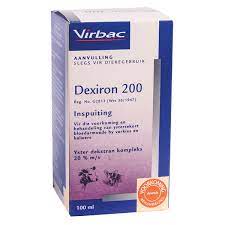
Dexiron is a medication commonly prescribed to treat various conditions. It belongs to a class of drugs known as iron supplements. This article explores the uses, benefits, side effects, and warnings associated with Dexiron.
Uses
Dexiron is primarily used to treat iron deficiency anemia, a condition characterized by low levels of iron in the body. Iron is an essential mineral that plays a crucial role in the production of red blood cells. Dexiron helps replenish iron stores, thus increasing red blood cell production and improving overall health.
In addition to treating iron deficiency anemia, Dexiron may also be used to manage other conditions such as restless leg syndrome and certain types of chronic kidney disease.
Benefits
The main benefit of Dexiron is its ability to alleviate the symptoms associated with iron deficiency anemia. These symptoms may include fatigue, weakness, pale skin, shortness of breath, and difficulty concentrating. By increasing iron levels, Dexiron helps improve energy levels, enhance cognitive function, and promote overall well-being.
Furthermore, Dexiron has shown promising results in managing restless leg syndrome, a condition characterized by uncomfortable sensations in the legs and an irresistible urge to move them. By addressing iron deficiency, Dexiron may help reduce the severity of restless leg syndrome and provide relief from its symptoms.
For individuals with chronic kidney disease, Dexiron can help maintain iron levels and prevent anemia, which is a common complication of this condition. By addressing anemia, Dexiron promotes better kidney function and overall health.
Side Effects
While Dexiron is generally well-tolerated, it may cause some side effects in certain individuals. Common side effects include nausea, constipation, stomach cramps, and diarrhea. These side effects are usually mild and temporary.
In rare cases, Dexiron may cause more severe side effects such as allergic reactions, chest pain, rapid heartbeat, or severe dizziness. If any of these side effects occur, it is important to seek immediate medical attention.
It is worth noting that Dexiron may also cause the stools to appear dark or black in color. This is a harmless side effect and should not be a cause for concern.
Warnings
Prior to taking Dexiron, it is essential to inform your healthcare provider about any existing medical conditions or allergies you may have. Dexiron may not be suitable for individuals with certain conditions, such as hemochromatosis or other iron overload disorders.
Additionally, Dexiron may interact with certain medications, including antacids, antibiotics, and thyroid medications. It is crucial to disclose all medications, supplements, and herbal remedies you are currently taking to avoid potential drug interactions.
Pregnant or breastfeeding individuals should consult their healthcare provider before taking Dexiron, as the safety of this medication during pregnancy and lactation has not been fully established.
FAQs
Dexiron can be taken with or without food. However, to enhance absorption, it is recommended to take Dexiron on an empty stomach, at least one hour before or two hours after meals.
The effects of Dexiron vary from person to person. Some individuals may start noticing improvements in their symptoms within a few weeks, while for others, it may take longer. It is important to follow the prescribed dosage and continue taking Dexiron as directed by your healthcare provider.
Yes, Dexiron may interact with certain medications, such as antacids, antibiotics, and thyroid medications. It is important to inform your healthcare provider about all medications you are currently taking to avoid potential drug interactions
Dexiron can be used in children, but the dosage and duration of treatment should be determined by a healthcare professional. It is important to follow the recommended guidelines and consult a pediatrician before administering Dexiron to a child.
There are no specific dietary restrictions while taking Dexiron. However, it is beneficial to consume iron-rich foods, such as lean meats, legumes, leafy greens, and fortified cereals, to support optimal iron levels in the body.