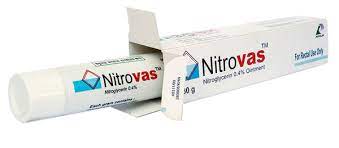
Nitroglycerin rectal is a medication that is commonly used to treat and prevent episodes of chest pain or angina. It belongs to a class of drugs known as nitrates and works by relaxing and widening blood vessels, allowing for improved blood flow to the heart. This article will explore the uses, benefits, side effects, and warnings associated with nitroglycerin rectal.
Uses
Nitroglycerin rectal is primarily used to relieve and prevent angina attacks. Angina is a condition characterized by chest pain or discomfort caused by reduced blood flow to the heart muscle. This medication helps to relax and widen blood vessels, which in turn improves blood flow to the heart and reduces the frequency and severity of angina episodes. Nitroglycerin rectal may also be used in conjunction with other medications or treatments for certain heart conditions.
Benefits
The main benefit of nitroglycerin rectal is its ability to provide quick relief from angina symptoms. By dilating blood vessels, it allows for increased blood flow to the heart, which can alleviate chest pain and discomfort. Additionally, this medication can help prevent future episodes of angina, allowing individuals to lead a more active and comfortable lifestyle. Nitroglycerin rectal is also beneficial for individuals who are unable to use oral medications due to certain medical conditions.
Side Effects
Like any medication, nitroglycerin rectal may cause side effects in some individuals. Common side effects include headaches, dizziness, lightheadedness, flushing of the face, and a rapid heartbeat. These side effects are usually temporary and subside on their own. However, if they persist or worsen, it is important to seek medical attention. Rare but serious side effects may include a severe drop in blood pressure, allergic reactions, or fainting. If any of these occur, immediate medical assistance should be sought.
Warnings
Before using nitroglycerin rectal, it is important to inform your healthcare provider of any existing medical conditions, allergies, or medications you are currently taking. This medication may interact with certain drugs, such as erectile dysfunction medications, blood pressure medications, or certain antidepressants. It is crucial to follow the prescribed dosage and administration instructions provided by your healthcare professional. Nitroglycerin rectal should not be used in individuals with severe anemia, increased intracranial pressure, or a history of hypersensitivity to nitrates. It is also important to store this medication properly, away from heat and moisture.
Conclusion
In conclusion, nitroglycerin rectal is a medication commonly used to treat angina by improving blood flow to the heart. It provides quick relief from chest pain and discomfort and can help prevent future angina episodes. While generally safe, it is important to be aware of the possible side effects and warnings associated with this medication. Always consult with a healthcare professional for proper guidance and use.
FAQs
Nitroglycerin rectal should only be used during pregnancy if clearly needed and under the supervision of a healthcare professional. It is important to discuss the potential risks and benefits with your doctor.
The safety and effectiveness of nitroglycerin rectal in children have not been established. It should only be used in children if prescribed by a pediatric specialist.
Nitroglycerin rectal works rapidly, with effects typically felt within 1 to 5 minutes after administration. The duration of action may vary from person to person.
Nitroglycerin rectal is primarily used for angina. Its use for other conditions should be discussed with a healthcare professional.
No, nitroglycerin rectal is not habit-forming. It is used as needed to relieve or prevent angina symptoms, as prescribed by a healthcare provider.






