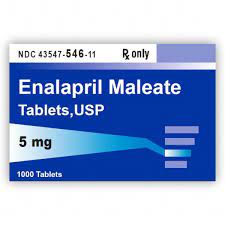
Enalapril Maleate is a medication commonly prescribed to treat high blood pressure, heart failure, and kidney problems in patients with diabetes. This article will provide an overview of its uses, benefits, side effects, and important warnings.
Uses
Enalapril Maleate belongs to a class of drugs called angiotensin-converting enzyme (ACE) inhibitors. It works by relaxing blood vessels, which helps to lower blood pressure and improve blood flow. The primary uses of Enalapril Maleate include:
- Treating high blood pressure (hypertension) in adults and children over one month old.
- Managing heart failure in patients who cannot tolerate other medications.
- Preventing and treating kidney problems caused by diabetes.
Benefits
Enalapril Maleate offers several benefits for individuals with hypertension, heart failure, or diabetic kidney problems. These include:
- Lowering blood pressure: By relaxing blood vessels, Enalapril Maleate helps to reduce the force against artery walls, thus decreasing overall blood pressure.
- Improving heart function: Enalapril Maleate helps the heart pump blood more efficiently, alleviating symptoms of heart failure and enhancing overall cardiac function.
- Protecting the kidneys: This medication can prevent or slow down kidney damage caused by diabetes, reducing the risk of complications.
Side Effects
Although Enalapril Maleate is generally well-tolerated, it may cause some side effects. Common side effects include:
- Dizziness or lightheadedness
- Fatigue or weakness
- Dry cough
- Headache
- Nausea or vomiting
- Diarrhea
If any of these side effects persist or worsen, it is important to consult a healthcare professional. Additionally, rare but severe side effects may occur, such as:
- Signs of an allergic reaction (e.g., rash, itching, swelling of the face or throat)
- Chest pain or tightness
- Difficulty breathing
- Fainting
- Yellowing of the skin or eyes (jaundice)
If any of these severe side effects occur, immediate medical attention is required.
Warnings
Before taking Enalapril Maleate, it is crucial to be aware of the following warnings:
- Pregnancy: Enalapril Maleate can harm an unborn baby, so it should not be used during pregnancy. If planning a pregnancy or already pregnant, inform your healthcare provider.
- Angioedema: Some individuals may experience swelling of the face, lips, throat, or tongue due to an allergic reaction. Seek emergency medical help if such symptoms occur.
- Renal impairment: Enalapril Maleate may affect kidney function, especially in patients with pre-existing renal conditions. Regular monitoring of kidney function is recommended.
- Hyperkalemia: This medication can increase potassium levels in the blood, leading to potentially serious complications. Regular blood tests may be necessary to monitor potassium levels.
- Interactions: Enalapril Maleate may interact with other medications, including diuretics, potassium supplements, and nonsteroidal anti-inflammatory drugs (NSAIDs). Inform your healthcare provider about all the medications you are taking.
FAQs
Yes, Enalapril Maleate can be prescribed for children over one month old to treat high blood pressure.
No, Enalapril Maleate should not be used during pregnancy as it can harm the unborn baby. Consult your healthcare provider for alternative options.
The time it takes for Enalapril Maleate to lower blood pressure varies among individuals. It may take several weeks to achieve the desired effect.
Yes, a dry cough is a common side effect of Enalapril Maleate. If it becomes bothersome, consult your healthcare provider for possible remedies.
Enalapril Maleate may be combined with other blood pressure medications, but it should always be done under the supervision of a healthcare professional.