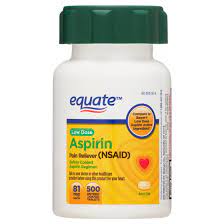
Aspirin, also known as acetylsalicylic acid, is a common over-the-counter medication used to relieve pain, reduce inflammation, and lower fever. Equate Aspirin is a popular brand that contains the same active ingredient as other aspirin products, providing similar benefits and potential side effects. In this article, we will explore the uses, benefits, side effects, and warnings associated with Equate Aspirin.
Uses
Equate Aspirin is primarily used for the following purposes:
- Pain Relief: Equate Aspirin is commonly used to relieve mild to moderate pain caused by headaches, toothaches, muscle aches, menstrual cramps, and arthritis.
- Inflammation Reduction: Aspirin possesses anti-inflammatory properties and can help reduce swelling, redness, and discomfort associated with inflammation.
- Fever Reduction: Equate Aspirin can be used to lower fever in individuals suffering from viral or bacterial infections.
- Blood Thinning: Aspirin acts as a blood thinner, inhibiting platelet aggregation and reducing the risk of blood clot formation. It is often prescribed for individuals with a history of heart attacks or strokes.
Benefits
The benefits of Equate Aspirin include its effectiveness in pain relief, reduction of inflammation, and fever reduction. Additionally, its blood-thinning properties make it a valuable medication for individuals at risk of cardiovascular events, such as heart attacks or strokes. Equate Aspirin is widely available over the counter, making it easily accessible for those seeking relief from various conditions.
Side Effects
While Equate Aspirin provides numerous benefits, it is crucial to be aware of potential side effects. Common side effects associated with aspirin use include:
- Stomach Upset: Aspirin can irritate the stomach lining, leading to heartburn, indigestion, and, in some cases, stomach ulcers.
- Allergic Reactions: Some individuals may experience allergic reactions to aspirin, resulting in symptoms such as hives, rash, itching, or swelling.
- Bleeding: Aspirin’s blood-thinning effects may increase the risk of bleeding, especially in individuals taking higher doses or those with underlying bleeding disorders.
- Tinnitus: In rare cases, aspirin may cause a ringing or buzzing sound in the ears, known as tinnitus.
- Reye’s Syndrome: Aspirin should never be given to children or teenagers with viral infections, as it may increase the risk of Reye’s syndrome, a rare but potentially fatal condition affecting the liver and brain.
Warnings
Before using Equate Aspirin, consider the following warnings:
- Allergies: If you have a known allergy to aspirin or other nonsteroidal anti-inflammatory drugs (NSAIDs), it is crucial to avoid Equate Aspirin.
- Medical Conditions: Individuals with bleeding disorders, asthma, stomach ulcers, kidney disease, liver disease, or heart conditions should consult their healthcare provider before using Equate Aspirin.
- Interactions: Aspirin may interact with certain medications, including blood thinners, diuretics, and some antidepressants. Always inform your healthcare provider about all the medications you are taking.
- Pregnancy and Breastfeeding: Aspirin should be used with caution during pregnancy and breastfeeding. Consult your healthcare provider for guidance.
- Dosage: Follow the recommended dosage instructions provided on the packaging or as advised by your healthcare provider. Taking higher doses than recommended can increase the risk of side effects.
FAQs
Here are some frequently asked questions about Equate Aspirin:
It is best to avoid taking Equate Aspirin with other NSAIDs or pain relievers, as it may increase the risk of side effects and complications. If you are unsure, consult your healthcare provider.
Equate Aspirin usually starts working within 30 minutes to an hour after ingestion. However, the onset of action may vary depending on the individual and the condition being treated.
Moderate alcohol consumption is generally considered safe while taking aspirin. However, excessive alcohol intake may increase the risk of stomach bleeding and should be avoided.
Aspirin should never be given to children or teenagers with viral infections, as it may increase the risk of Reye’s syndrome. Consult a pediatrician for alternative medications suitable for children.
If you miss a dose of Equate Aspirin, take it as soon as you remember. However, if it is almost time for your next scheduled dose, skip the missed dose and continue with your regular dosing schedule. Do not double the dose to make up for a missed one.
Always read the packaging and consult your healthcare provider or pharmacist for specific instructions and advice regarding the use of Equate Aspirin.






