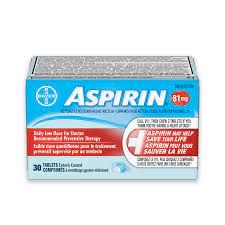
Enteric coated aspirin is a medication that is commonly used to relieve pain, reduce inflammation, and prevent blood clots. This type of aspirin is specially designed with a coating that allows it to bypass the stomach and be absorbed in the small intestine. In this article, we will explore the uses, benefits, side effects, and warnings of enteric coated aspirin.
Uses
Enteric coated aspirin is primarily used for the following purposes:
- Pain relief: Enteric coated aspirin is particularly effective in relieving mild to moderate pain, such as headaches, toothaches, and muscle aches.
- Inflammation reduction: It is commonly used to reduce inflammation caused by conditions like arthritis, sprains, and strains.
- Blood clot prevention: Enteric coated aspirin can help prevent blood clots, which may reduce the risk of heart attacks and strokes.
Benefits
The benefits of using enteric coated aspirin include:
- Gentle on the stomach: The enteric coating of this aspirin helps to protect the stomach lining, reducing the risk of stomach ulcers and irritation.
- Delayed release: The enteric coating allows the aspirin to dissolve in the small intestine rather than the stomach, which may enhance its effectiveness.
- Convenience: Enteric coated aspirin can be taken without food, making it a convenient option for those who have difficulty consuming with meals.
Side Effects
While enteric coated aspirin is generally well-tolerated, it may cause certain side effects in some individuals. These side effects can include:
- Stomach upset: Some people may experience mild stomach discomfort or indigestion.
- Allergic reactions: Allergic reactions to enteric coated aspirin are rare but can occur. Symptoms may include hives, difficulty breathing, or swelling of the face, lips, tongue, or throat. Seek immediate medical attention if any of these symptoms occur.
- Bleeding: Enteric coated aspirin can increase the risk of bleeding, especially if taken in high doses or for prolonged periods. This may manifest as nosebleeds, unusual bruising, or prolonged bleeding from cuts.
Warnings
Before using enteric coated aspirin, it is important to consider the following warnings:
- Allergy or intolerance: Individuals who are allergic to aspirin or have experienced asthma attacks, nasal polyps, or hives after taking aspirin should avoid enteric coated aspirin.
- Bleeding disorders: Enteric coated aspirin should be used with caution in individuals with bleeding disorders or those taking anticoagulant medications.
- Stomach ulcers: If you have a history of stomach ulcers or gastrointestinal bleeding, consult with your healthcare provider before using enteric coated aspirin.
FAQs
Here are some frequently asked questions about enteric coated aspirin:
Yes, enteric coated aspirin can be taken on an empty stomach. The enteric coating allows it to bypass the stomach and be absorbed in the small intestine.
The onset of action for enteric coated aspirin may vary, but it typically starts working within 30 minutes to an hour after ingestion.
It is essential to consult with your healthcare provider or pharmacist before taking enteric coated aspirin with other medications to ensure there are no potential interactions.
Pregnant women should consult with their healthcare provider before using enteric coated aspirin, as it may not be recommended during certain stages of pregnancy.
No, enteric coated aspirin should not be crushed or chewed, as it may interfere with the enteric coating and lead to stomach irritation.
Always follow the instructions provided by your healthcare provider or pharmacist and read the medication label before using enteric coated aspirin.






