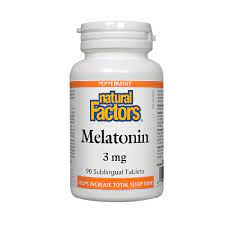
Melatonin is a hormone that is naturally produced by the pineal gland in the brain. It plays a crucial role in regulating the sleep-wake cycle and is often used as a supplement to treat sleep disorders. Melatonin is available in various forms, including sublingual tablets that are dissolved under the tongue. This article will explore the uses, benefits, side effects, and warnings associated with melatonin sublingual.
Uses
Melatonin sublingual is primarily used to treat sleep disorders such as insomnia. It helps regulate the sleep-wake cycle by promoting drowsiness and facilitating a more restful sleep. Additionally, melatonin sublingual may be prescribed to individuals who experience jet lag or work night shifts, as it can help adjust their sleep patterns accordingly.
Benefits
The main benefit of using melatonin sublingual is its ability to improve sleep quality. By taking melatonin sublingual before bed, individuals can fall asleep faster and experience a deeper, more rejuvenating sleep. This can lead to improved daytime alertness and overall well-being. Melatonin sublingual is also known for its antioxidant properties, which may offer additional health benefits.
Side Effects
While melatonin sublingual is generally considered safe for short-term use, it may cause some side effects in certain individuals. Common side effects include drowsiness, headache, dizziness, and nausea. These side effects are usually mild and temporary. However, if you experience any severe or persistent side effects, it is important to consult a healthcare professional.
Warnings
Melatonin sublingual should not be used by individuals who are pregnant or breastfeeding, as its effects on fetal development and infants are not fully understood. It is also not recommended for use in children without the guidance of a healthcare professional. Additionally, melatonin sublingual may interact with certain medications, such as blood thinners and sedatives, so it is important to inform your doctor about all the medications you are taking before starting melatonin treatment.
conclusion
In conclusion, melatonin sublingual is a commonly used supplement for the treatment of sleep disorders. It offers various benefits, such as improving sleep quality and adjusting sleep patterns. While side effects are generally mild and temporary, it is important to follow dosage instructions and consult a healthcare professional if experiencing severe or persistent side effects. Melatonin sublingual should not be used in certain populations, such as pregnant or breastfeeding individuals, without medical guidance. As with any medication, it is always advisable to seek professional advice before starting melatonin sublingual treatment.
FAQs
No, melatonin sublingual is not addictive. It is a naturally occurring hormone that helps regulate the sleep-wake cycle.
The onset of melatonin sublingual can vary from person to person. Generally, it is recommended to take melatonin sublingual about 30 minutes before going to bed for optimal results.
Melatonin sublingual is typically used for short-term treatment of sleep disorders. If you have persistent sleep issues, it is advisable to consult a healthcare professional for a thorough evaluation and appropriate long-term treatment options.
Yes, melatonin sublingual can be effective in helping to adjust sleep patterns and alleviate jet lag symptoms. However, it is important to follow the recommended dosage and timing instructions for optimal results.
As melatonin sublingual may cause drowsiness, it is advisable to avoid driving or operating machinery immediately after taking it. It is best to allow sufficient time for the effects to wear off before engaging in activities that require alertness.






