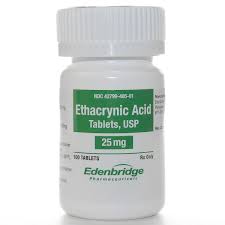
Ethacrynic acid is a medication that belongs to the class of loop diuretics. It is primarily used to treat fluid retention (edema) caused by congestive heart failure, liver disease, or kidney disease. This article will provide an overview of the uses, benefits, side effects, and warnings associated with ethacrynic acid.
Uses
Ethacrynic acid is commonly prescribed to manage conditions where excess fluid accumulates in the body. Here are some of its primary uses:
1. Congestive Heart Failure: Ethacrynic acid helps reduce the fluid buildup in individuals experiencing congestive heart failure. It works by increasing urine production, which helps eliminate excess fluid from the body and reduce the workload on the heart.
2. Liver Disease: Patients with liver diseases such as cirrhosis often develop edema due to impaired liver function. Ethacrynic acid aids in removing excess fluid and provides relief from swelling associated with liver disease.
3. Kidney Disease: Chronic kidney disease can lead to fluid retention. Ethacrynic acid acts on the kidneys to increase urine production, helping to eliminate excess fluid and alleviate edema.
Benefits
When used appropriately and under medical supervision, ethacrynic acid can offer several benefits:
1. Edema Relief: Ethacrynic acid effectively reduces fluid retention, providing relief from edema. This can improve symptoms such as swelling, shortness of breath, and discomfort.
2. Improved Kidney Function: By promoting increased urine production, ethacrynic acid helps support kidney function. Removing excess fluid can alleviate strain on the kidneys and potentially enhance their performance.
3. Managing Heart Failure: Ethacrynic acid can be an essential component of heart failure treatment. By reducing fluid buildup, it can help improve heart function and relieve symptoms associated with congestive heart failure.
Side Effects
As with any medication, ethacrynic acid may cause certain side effects. While not everyone experiences these, it is essential to be aware of potential adverse effects:
1. Dehydration: Ethacrynic acid increases urine production, which can cause excessive fluid loss, leading to dehydration. It is crucial to stay adequately hydrated while taking this medication.
2. Electrolyte Imbalance: Ethacrynic acid can disrupt the balance of electrolytes in the body, such as sodium, potassium, and magnesium. This may result in symptoms like muscle cramps, irregular heartbeat, and weakness.
3. Sensitivity Reactions: Some individuals may develop allergic reactions to ethacrynic acid, resulting in symptoms such as rash, itching, swelling, or difficulty breathing. Seek immediate medical attention if any allergic reaction is suspected.
Warnings
Before taking ethacrynic acid, it is important to consider the following warnings:
1. Pre-existing Conditions: Inform your healthcare provider about any pre-existing medical conditions, including diabetes, gout, or liver disease, as they may influence the dosage and suitability of ethacrynic acid for you.
2. Medication Interactions: Ethacrynic acid may interact with certain medications, such as nonsteroidal anti-inflammatory drugs (NSAIDs), causing adverse effects. Always inform your doctor or pharmacist about all the medications you are taking.
3. Pregnancy and Breastfeeding: Ethacrynic acid should be used with caution during pregnancy and breastfeeding. Consult your healthcare provider for guidance on the risks and benefits of using this medication in these situations.
4. Dosage and Monitoring: Ethacrynic acid should be taken as prescribed by your healthcare provider. Regular monitoring of kidney function, electrolyte levels, and blood pressure may be necessary while using this medication.
5. Allergic Reactions: If you have a known allergy to other loop diuretics, such as furosemide or bumetanide, inform your doctor before starting ethacrynic acid. Cross-reactivity between these medications may occur.
conclusion
In conclusion, ethacrynic acid is a loop diuretic commonly used to treat fluid retention associated with conditions like heart failure, liver disease, and kidney disease. While it offers benefits in managing edema, it is essential to be aware of potential side effects and follow the guidance of healthcare professionals to ensure safe and effective use.
FAQs
Ethacrynic acid is not indicated or approved for weight loss. Its primary use is to treat fluid retention caused by specific medical conditions.
It is generally recommended to follow a balanced diet while taking ethacrynic acid. However, consult your doctor or a registered dietitian for personalized advice.
Ethacrynic acid is not typically prescribed for children. Its use in pediatric populations is limited and requires careful consideration by a healthcare professional.
If you miss a dose, take it as soon as you remember. However, if it is close to the time for your next scheduled dose, skip the missed dose and continue with your regular dosing schedule.
Ethacrynic acid may interact with certain herbal supplements, such as licorice root or St. John’s wort. Always inform your healthcare provider about all supplements you are taking to avoid potential interactions.






