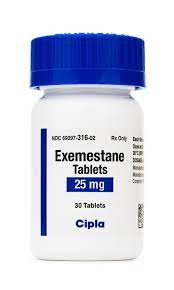
Exemestane is a medication that belongs to a group of drugs called aromatase inhibitors. It is primarily used to treat breast cancer in postmenopausal women. This article aims to provide an in-depth understanding of the uses, benefits, side effects, and warnings associated with Exemestane.
Uses
Exemestane is commonly prescribed for the following purposes:
1. Treating Breast Cancer: Exemestane is primarily prescribed to postmenopausal women who have been diagnosed with certain types of breast cancer. It is used to reduce the risk of cancer recurrence by suppressing the production of estrogen, a hormone that can stimulate the growth of breast cancer cells.
Benefits
Exemestane offers several benefits in the treatment of breast cancer. These include:
1. Reduced Risk of Cancer Recurrence: By inhibiting estrogen production, Exemestane significantly lowers the risk of breast cancer recurrence, providing women with a better and more secure prognosis.
2. Improved Survival Rates: Studies have shown that using Exemestane as part of adjuvant therapy for breast cancer has led to improved overall survival rates, both for early-stage and advanced-stage breast cancer patients.
3. Prevention in High-Risk Patients: Exemestane is sometimes prescribed for women who are at high risk of developing breast cancer. In some cases, it can help prevent the occurrence of the disease altogether.
Side Effects
While Exemestane can be highly effective in the treatment of breast cancer, it is essential to be aware of potential side effects. Some common side effects include:
1. Hot Flashes: Many women experience hot flashes and sweating while taking Exemestane. These symptoms tend to diminish over time but can still be bothersome.
2. Joint Pain: Joint pain, stiffness, and arthritis-like symptoms have been reported among patients using Exemestane. It is advisable to inform your doctor if you experience any joint-associated discomfort.
3. Fatigue: Feeling tired or weak is a common side effect of Exemestane. It is crucial to get enough rest and listen to your body during treatment.
4. Increased Risk of Osteoporosis: Exemestane use can lead to a decrease in bone mineral density, putting patients at a higher risk for osteoporosis and fractures. Adequate calcium and vitamin D intake, along with weight-bearing exercises, can help mitigate this side effect.
Warnings
Exemestane also comes with specific warnings that users should be aware of:
1. Pregnancy and Nursing: Exemestane should not be used during pregnancy, as it can harm the unborn baby. It is also not recommended for nursing mothers, as it can pass into breast milk.
2. Liver and Kidney Problems: This medication may not be suitable for individuals with pre-existing liver or kidney problems. Be sure to inform your doctor about any existing conditions before starting Exemestane.
3. Interactions with Other Medications: Exemestane may interact with certain medications, including hormone replacement therapy, tamoxifen, and estrogen-containing products. Make sure to inform your healthcare provider about all the medications you are taking to avoid any potential interactions.
4. Allergic Reactions: Some individuals may develop allergic reactions to Exemestane, including rash, itching, swelling, severe dizziness, or difficulty breathing. Seek medical attention immediately if you experience any of these symptoms.
Frequently Asked Questions (FAQs)
Exemestane is strictly prescribed for postmenopausal women with breast cancer and should not be used by men.
Exemestane is primarily approved for treating breast cancer and has not been proven effective for other types of cancer.
If you miss a dose of Exemestane, take it as soon as you remember. However, if it is close to the time of your next scheduled dose, skip the missed dose and continue with your regular dosing schedule.
Exemestane is not recommended for use in premenopausal women, as it works by reducing estrogen levels that are already low after menopause.
It is generally advisable to avoid or limit alcohol consumption while using Exemestane, as alcohol may increase the risk of certain side effects such as liver problems. However, consult your healthcare provider for personalized advice.






