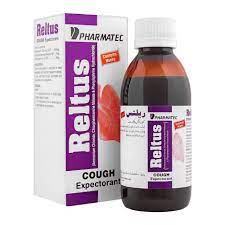
Uses
An expectorant is a type of medication that aids in thinning and loosening mucus in the airways, allowing individuals to cough it up and clear their lungs. It is commonly used to relieve symptoms associated with respiratory conditions such as bronchitis, cough, and chest congestion. Expectorants work by promoting the secretion of mucus from the respiratory tract, which helps in the removal of excessive phlegm.
Benefits
When used appropriately, expectorants can provide the following benefits:
- Relief from coughing and congestion
- Improved breathing and airflow in the respiratory system
- Reduced chest discomfort and tightness
- Lessened severity and frequency of coughing fits
- Promotion of a productive cough, allowing the expulsion of mucus
Side Effects
Like any medication, expectorants may have some potential side effects, although they are usually minimal. Common side effects may include:
- Nausea or upset stomach
- Drowsiness or dizziness
- Headache
- Minor gastrointestinal disturbances
It is important to note that these side effects are generally mild and tend to resolve on their own. If you experience severe or persistent side effects, it is advisable to consult a healthcare professional.
Warnings
While expectorants are generally safe for use, there are certain precautions and warnings to be aware of:
- Do not exceed the recommended dosage or duration of use, as this may lead to unwanted side effects.
- Do not use expectorants if you have a known allergy to any of the active ingredients.
- If you have any pre-existing medical conditions or are taking other medications, consult your doctor or pharmacist before using an expectorant.
- Expectorants are not suitable for children under a certain age, so always read the product label or seek medical advice before administering to children.
- If symptoms persist or worsen after using an expectorant, or if you develop new symptoms, discontinue use and seek medical attention.
FAQs
Expectorants are more effective for coughs associated with excessive mucus production. If you have a dry cough, it is recommended to consult a healthcare professional for appropriate treatment options.
It is always best to consult your healthcare provider before using any medication during pregnancy to ensure the safety for both you and your baby.
It is important to consult your doctor before using expectorants if you have asthma, as they may not be suitable for all individuals. Your doctor can provide personalized advice based on your specific condition.
Although staying hydrated is beneficial for respiratory health, a dedicated expectorant medication can help promote mucus clearance more effectively.
Expectorants can help in alleviating symptoms associated with the common cold, primarily when accompanied by excess mucus production and chest congestion.






