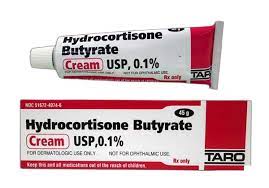
Hydrocortisone Butyrate Topical is a medication that is commonly used to treat various skin conditions. It belongs to a class of drugs called corticosteroids, which work by reducing inflammation and itching in the affected area. This article will explore the uses, benefits, side effects, and warnings associated with Hydrocortisone Butyrate Topical.
Uses
Hydrocortisone Butyrate Topical is primarily prescribed to relieve itching, redness, and swelling caused by certain skin conditions. Some common uses of this medication include:
- Eczema: Hydrocortisone Butyrate Topical can help alleviate the symptoms of eczema, such as dry, itchy, and inflamed skin.
- Psoriasis: It is also used to treat psoriasis, a chronic skin condition characterized by red, scaly patches.
- Allergic reactions: This medication can provide relief from itching and inflammation caused by allergic reactions, including insect bites and rashes.
- Atopic dermatitis: Hydrocortisone Butyrate Topical is effective in managing atopic dermatitis, a common form of eczema that often starts in childhood.
Benefits
Hydrocortisone Butyrate Topical offers several benefits for individuals suffering from various skin conditions. The key advantages of using this medication include:
- Reduced inflammation: By suppressing the immune response in the affected area, Hydrocortisone Butyrate Topical helps alleviate inflammation, relieving itching and redness.
- Fast relief: This medication provides quick relief from symptoms, allowing individuals to resume their daily activities with less discomfort.
- Improved skin appearance: With regular use, Hydrocortisone Butyrate Topical can help improve the appearance of the skin by reducing redness, swelling, and scaling.
- Long-lasting effects: The effects of this medication can last for several hours, providing extended relief from symptoms.
Side Effects
While Hydrocortisone Butyrate Topical is generally safe to use, it may cause some side effects in certain individuals. Common side effects include:
- Burning or stinging sensation at the application site
- Itching or dryness of the skin
- Redness or irritation
- Acne or skin rash
- Thinning of the skin
If any of these side effects persist or worsen, it is important to consult a healthcare professional. Additionally, rare but more severe side effects may occur, such as skin discoloration, stretch marks, or signs of an allergic reaction (e.g., severe dizziness, difficulty breathing, rash, itching, swelling). Immediate medical attention should be sought if any of these symptoms occur.
Warnings
Before using Hydrocortisone Butyrate Topical, it is important to consider the following warnings:
- Allergies: Inform your healthcare provider if you have any known allergies to corticosteroids or any other medications.
- Pregnancy and breastfeeding: Consult with your doctor before using this medication if you are pregnant, planning to become pregnant, or breastfeeding.
- Interactions: Inform your doctor about all the medications, herbal supplements, or vitamins you are currently taking to avoid any potential drug interactions.
- Long-term use: Prolonged use of Hydrocortisone Butyrate Topical or applying it to large areas of the body may increase the risk of side effects. Follow your doctor’s instructions and use the medication only as prescribed.
FAQs
Yes, this medication can be used on the face. However, it is important to follow your doctor’s instructions and avoid contact with the eyes, nose, and mouth.
Hydrocortisone Butyrate Topical can be used on children, but it is important to consult a pediatrician regarding the appropriate dosage and duration of treatment.
The frequency of application will depend on the severity of your condition and the instructions provided by your doctor. Generally, it is applied 2-3 times per day.
Avoid using cosmetics or other skincare products on the affected area without consulting your doctor. Some products may interact with Hydrocortisone Butyrate Topical and reduce its effectiveness.
While Hydrocortisone Butyrate Topical can effectively manage symptoms, it is not a cure for underlying skin conditions. It is important to follow your doctor’s recommendations for long-term management and prevention of flare-ups.






