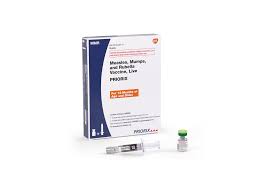
Measles, mumps, and rubella are highly contagious viral diseases that can cause significant morbidity and even mortality. To combat these diseases, the Measles Mumps And Rubella (MMR) live vaccine has been developed. Administered subcutaneously, this vaccine is a crucial preventive measure to protect individuals from these three viral infections.
Uses
The MMR live vaccine subcutaneous is primarily used to provide immunity against measles, mumps, and rubella. These three diseases can have severe complications, especially in young children. By receiving the MMR vaccine, individuals develop immunity against these viruses, reducing the risk of infection and subsequent complications.
Additionally, the MMR vaccine is an essential component of routine childhood immunization schedules worldwide. It is typically administered to infants between 12 and 15 months of age, with a booster dose given between 4 and 6 years old. Vaccination during childhood provides long-term protection against measles, mumps, and rubella.
Benefits
The benefits of receiving the MMR live vaccine subcutaneous are numerous:
- Protection against Measles: Measles is a highly contagious respiratory infection that can lead to serious complications such as pneumonia, encephalitis, and even death. The MMR vaccine offers a high level of protection against measles, reducing the risk of acquiring the disease and its associated complications.
- Prevention of Mumps: Mumps is a viral infection known for causing painful swelling of the salivary glands. In some cases, it can lead to complications such as meningitis, encephalitis, or even deafness. The MMR vaccine effectively prevents mumps, reducing the likelihood of these complications.
- Immunity against Rubella: Rubella, also known as German measles, is a viral infection that can cause severe birth defects if contracted during pregnancy. By receiving the MMR vaccine, individuals develop immunity against rubella, protecting both themselves and vulnerable populations, such as pregnant women and their unborn babies.
- Preventing Outbreaks: The MMR vaccine plays a crucial role in preventing outbreaks of measles, mumps, and rubella. High vaccination rates within communities create herd immunity, reducing the overall risk of infection and protecting those who cannot receive the vaccine due to medical reasons.
Side Effects
Like any vaccine, the MMR live vaccine subcutaneous can cause side effects. However, it is important to note that the benefits of vaccination far outweigh the potential risks. Common side effects of the MMR vaccine include:
- Mild fever
- Rash
- Soreness or swelling at the injection site
- Mild joint pain
- Temporary stiffness or pain in the joints
Severe side effects are extremely rare but can include:
- Allergic reactions
- Seizures
- Deafness
- Long-term joint pain
- Thrombocytopenia (low platelet count)
It is important to discuss any concerns about potential side effects with a healthcare professional before receiving the vaccine.
Warnings
While the MMR live vaccine subcutaneous is generally safe and well-tolerated, there are certain precautions and warnings to consider:
- Immunocompromised individuals: Individuals with weakened immune systems, such as those undergoing cancer treatment or with HIV/AIDS, may have a reduced response to the MMR vaccine. It is important to consult with a healthcare professional to assess the risks and benefits of vaccination in these cases.
- Pregnancy: The MMR vaccine contains live viruses and is not recommended for pregnant women. If a woman of childbearing age is planning to conceive, it is recommended to receive the vaccine at least one month before becoming pregnant.
- Severe allergic reactions: Individuals with a history of severe allergic reactions, including anaphylaxis, to any component of the MMR vaccine should not receive it. It is important to inform healthcare providers of any known allergies or adverse reactions before vaccination.
- Recent blood transfusion or immune globulin administration: Recent blood transfusion or receipt of certain immune globulin products may interfere with the effectiveness of the MMR vaccine. Healthcare professionals should be informed of any recent transfusions or immune globulin administration.
FAQs
No, there is no scientific evidence linking the MMR vaccine to autism. Multiple large-scale studies have thoroughly investigated this claim and found no causal relationship between the vaccine and autism.
While the MMR vaccine is highly effective, no vaccine provides 100% protection. However, if a vaccinated individual does contract one of these diseases, the symptoms are typically milder compared to those who are unvaccinated.
Yes, the MMR vaccine can be administered at the same time as other vaccines. It is common for healthcare providers to combine the MMR vaccine with other routine childhood immunizations to minimize the number of injections needed.
The immunity provided by the MMR vaccine is long-lasting for the majority of individuals. Most people who receive two doses of the vaccine during childhood will have lifelong protection against measles, mumps, and rubella.
Yes, adults who have not been previously vaccinated or who have only received a single dose of the MMR vaccine can still benefit from vaccination. It is recommended to consult with a healthcare professional to determine the appropriate vaccination schedule for adults.