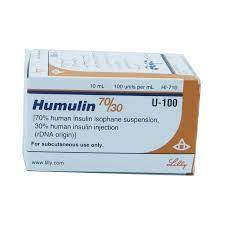
Insulin 70 30 Subcutaneous is a medication primarily used to control blood sugar levels in people with diabetes. It is a combination of two types of insulin: 70% NPH insulin and 30% regular insulin. This article will explore the uses, benefits, side effects, and warnings associated with Insulin 70 30 Subcutaneous.
Uses
Insulin 70 30 Subcutaneous is used to treat both type 1 and type 2 diabetes. It is typically prescribed when blood sugar levels cannot be adequately controlled with oral medications alone. This medication helps to regulate blood sugar levels throughout the day by mimicking the function of natural insulin produced by the body.
Benefits
The main benefit of Insulin 70 30 Subcutaneous is its ability to lower and stabilize blood sugar levels. By doing so, it helps prevent complications associated with diabetes, such as kidney damage, nerve problems, and eye issues. Additionally, this medication allows for better management of diabetes symptoms, including increased thirst, frequent urination, and unexplained weight loss.
Side Effects
Like any medication, Insulin 70 30 Subcutaneous may cause side effects in some individuals. Common side effects include injection site reactions, such as redness, swelling, or itching. These reactions are usually mild and temporary. Other possible side effects include low blood sugar (hypoglycemia), which can cause symptoms like sweating, dizziness, confusion, and rapid heartbeat. It is important to monitor blood sugar levels regularly and seek medical attention if symptoms persist or worsen.
Warnings
There are several important warnings associated with Insulin 70 30 Subcutaneous. It is crucial to inform your healthcare provider if you have any allergies to insulin or any of the ingredients in this medication. Additionally, let your doctor know about any medical conditions you have, especially liver or kidney disease. Insulin 70 30 Subcutaneous should be used with caution during pregnancy and breastfeeding, as it may affect blood sugar levels in both the mother and the baby. It is important to follow your healthcare provider’s instructions and monitor your blood sugar levels closely during these periods.
It is important to note that Insulin 70 30 Subcutaneous should not be used to treat diabetic ketoacidosis, a severe complication of diabetes. If you experience symptoms such as nausea, vomiting, stomach pain, fruity breath odor, or rapid breathing, seek immediate medical attention.
FAQs (Frequently Asked Questions)
No, Insulin 70 30 Subcutaneous should not be mixed with other types of insulin. Mixing different insulins may alter their effectiveness and could lead to unpredictable blood sugar levels.
Insulin 70 30 Subcutaneous should be stored in a refrigerator but should not be frozen. Keep it away from direct heat or light. Once opened, it can be stored at room temperature for up to 28 days.
You should inform your healthcare provider if you have liver disease. They will determine if Insulin 70 30 Subcutaneous is appropriate for you based on your specific condition.
Weight gain can be a possible side effect of Insulin 70 30 Subcutaneous. However, it is important to note that individual responses to the medication may vary.
It is generally advised to limit alcohol consumption while taking Insulin 70 30 Subcutaneous. Alcohol can affect blood sugar levels and may increase the risk of hypoglycemia. It is best to consult with your healthcare provider for personalized guidance regarding alcohol consumption.






