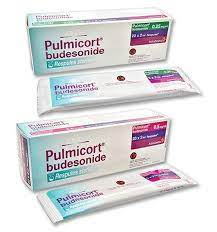
Pulmicort Inhalation is a medication that is used to treat asthma, a chronic respiratory condition that causes difficulty in breathing. It is an inhaled corticosteroid that helps to reduce inflammation in the airways, making it easier for individuals with asthma to breathe. This article will discuss the uses, benefits, side effects, and warnings associated with Pulmicort Inhalation.
Uses
Pulmicort Inhalation is primarily used to control and prevent asthma symptoms such as wheezing, shortness of breath, and chest tightness. It is not intended to provide immediate relief during an asthma attack and should not be used as a rescue medication. Instead, it is prescribed as a maintenance treatment to be used regularly to keep asthma symptoms under control.
Pulmicort Inhalation can be used in both adults and children who are at least six years old. It is also sometimes prescribed to treat other respiratory conditions such as chronic obstructive pulmonary disease (COPD).
Benefits
The main benefit of using Pulmicort Inhalation is its ability to reduce inflammation in the airways, which helps to prevent asthma symptoms from occurring. By using this medication regularly, individuals with asthma can experience a significant improvement in their quality of life. They may have fewer asthma attacks, less wheezing, and experience an overall reduction in respiratory symptoms.
Pulmicort Inhalation also helps to prevent asthma exacerbations, which are sudden and severe worsening of asthma symptoms. By using this medication as prescribed, individuals can reduce the risk of needing emergency medical care or hospitalization due to asthma complications.
Side Effects
Like any medication, Pulmicort Inhalation can cause side effects. However, not everyone who uses the medication will experience these side effects, and they are usually mild and temporary. Common side effects of Pulmicort Inhalation may include:
- Sore throat
- Hoarseness
- Cough
- Runny or stuffy nose
- Headache
- Nausea
If any of these side effects persist or worsen, it is important to consult a healthcare professional. In rare cases, Pulmicort Inhalation may cause more serious side effects such as weakened immune system, growth suppression in children, or adrenal gland problems. However, the benefits of using this medication usually outweigh the potential risks.
Warnings
Before using Pulmicort Inhalation, it is essential to inform your healthcare provider about any existing medical conditions or allergies you may have. Additionally, provide a list of all the medications you are currently taking, including over-the-counter drugs and supplements. This will help your healthcare provider determine if Pulmicort Inhalation is suitable for you and if any potential drug interactions exist.
Pulmicort Inhalation should not be used if you are allergic to budesonide, the active ingredient in the medication. It is also not recommended for individuals who are currently experiencing an asthma attack or have a severe respiratory infection.
It is crucial to follow the prescribed dosage and instructions for using Pulmicort Inhalation. Using more than the recommended dose may increase the risk of side effects, while using less may reduce the effectiveness of the medication.
If you are pregnant or breastfeeding, consult your healthcare professional before using Pulmicort Inhalation. While there is limited information about the safety of this medication during pregnancy or breastfeeding, your healthcare provider can help weigh the potential benefits and risks.
FAQs
No, Pulmicort Inhalation is not intended to provide immediate relief during an asthma attack. It is a maintenance medication that should be used regularly to prevent asthma symptoms.
The onset of action for Pulmicort Inhalation may vary between individuals. Some may experience symptom improvement within a few days, while others may take several weeks. It is essential to use the medication as prescribed and consult your healthcare provider if you do not notice any improvement.
Yes, Pulmicort Inhalation can be used in children who are at least six years old. The dosage for children is typically adjusted based on their age and weight.
Pulmicort Inhalation is primarily used to treat asthma. However, it may also be prescribed to manage other respiratory conditions such as chronic obstructive pulmonary disease (COPD).
Long-term use of Pulmicort Inhalation may have some potential risks, such as weakened immune system, growth suppression in children, or adrenal gland problems. However, the benefits of using this medication usually outweigh the potential risks. It is essential to discuss any concerns with your healthcare provider.






