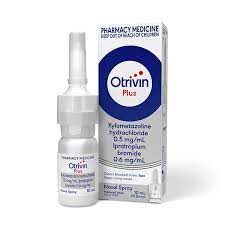
Ipratropium Bromide Nasal Spray is a medication commonly prescribed by doctors to relieve symptoms of rhinorrhea, also known as a runny nose. It is primarily used to manage the symptoms associated with seasonal and perennial allergic rhinitis, as well as non-allergenic rhinitis. This nasal spray contains ipratropium bromide, an anticholinergic drug that works by reducing the production of nasal secretions. Before considering the use of this medication, it is crucial to understand its uses, benefits, possible side effects, and any warnings associated with it.
Uses
Ipratropium Bromide Nasal Spray is predominantly used to alleviate nasal symptoms caused by allergies or non-allergenic triggers. It effectively treats symptoms such as a runny nose, sneezing, and nasal congestion associated with seasonal and perennial allergic rhinitis. Additionally, it may help manage symptoms resulting from exposure to irritants such as smoke, pollution, or dust. This medication works by reducing the production of mucus, thus providing relief from the uncomfortable symptoms that often accompany rhinorrhea.
Benefits
Ipratropium Bromide Nasal Spray offers several benefits to individuals suffering from nasal symptoms related to allergic and non-allergenic rhinitis. By using this medication, patients can experience a significant reduction in nasal secretions, allowing them to breathe more comfortably. The nasal spray is known for its fast-acting relief, meaning the symptoms can be alleviated quickly after administration. Furthermore, it can effectively reduce nasal congestion and lessen the severity of sneezing, enabling individuals to carry out their daily activities with ease.
Side Effects
Like any medication, Ipratropium Bromide Nasal Spray may cause certain side effects in some individuals. While most users tolerate it well, it is essential to be aware of potential adverse reactions. Common side effects may include nasal irritation, dryness, or a burning sensation in the nasal passages. Some individuals may also experience headache, dizziness, or an unpleasant taste in the mouth. It is crucial to promptly inform your healthcare provider if any severe side effects occur, such as difficulty breathing, rapid heartbeat, or severe nasal congestion that does not improve with use.
Warnings
Prior to using Ipratropium Bromide Nasal Spray, it is important to consider the following warnings. This medication should not be used by individuals who are allergic to ipratropium bromide or any of the other ingredients present in the nasal spray. It is always advisable to consult a healthcare professional, especially for those with pre-existing medical conditions, such as narrow-angle glaucoma, urinary retention, or a recent prostate surgery. In these cases, the medication may need to be used cautiously or an alternative treatment may be recommended.
Furthermore, it is crucial to inform your healthcare provider about any other medications you are taking, as they may interact with Ipratropium Bromide Nasal Spray. This includes prescription drugs, over-the-counter medications, and herbal supplements. Pregnant or breastfeeding women should consult their doctor before using this medication to determine if it is safe for use during these phases.
FAQs
Ipratropium Bromide Nasal Spray is not approved for use in children under the age of 12. Consult a healthcare professional for appropriate alternatives for pediatric patients.
Ipratropium Bromide Nasal Spray is known for its fast-acting relief. Most individuals experience symptom improvement within a few minutes of administering the spray.
Individuals who have high blood pressure can use Ipratropium Bromide Nasal Spray with caution. However, it is recommended to discuss this with your healthcare provider before starting the medication.
The dosage and frequency of Ipratropium Bromide Nasal Spray will be prescribed by your healthcare provider. Follow their instructions carefully and do not exceed the recommended dose.
It is not recommended to use Ipratropium Bromide Nasal Spray for more than four days consecutively without consulting your healthcare provider. Extended use may lead to rebound congestion or other adverse effects.






