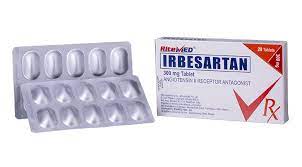
Irbesartan is a medication primarily used to treat high blood pressure and manage chronic kidney disease in patients with type 2 diabetes. It belongs to a class of drugs known as angiotensin receptor blockers (ARBs), which work by relaxing blood vessels, thus lowering blood pressure and improving blood flow.
Uses
Irbesartan plays an essential role in the treatment and prevention of various medical conditions, including:
- Hypertension: Irbesartan is primarily prescribed to control high blood pressure. By relaxing blood vessels, it enables blood to flow more smoothly, reducing the strain on the heart.
- Diabetic Nephropathy: For individuals with type 2 diabetes and kidney disease, irbesartan can slow down the progression of kidney damage and reduce the risk of kidney failure.
Benefits
The benefits of using irbesartan include:
- Blood Pressure Regulation: Irbesartan helps lower blood pressure, reducing the risk of heart attack, stroke, and other cardiovascular complications.
- Kidney Protection: The medication’s ability to slow the progression of kidney damage is crucial in preserving kidney function for individuals with diabetic nephropathy.
Side Effects
While irbesartan is generally well-tolerated, some individuals may experience side effects, including:
- Dizziness: A common side effect is feeling lightheaded or dizzy. It is advised to avoid driving or operating heavy machinery if these symptoms occur.
- Fatigue: Some people report feeling tired or lacking energy while taking irbesartan.
- Chest Pain: Although rare, chest pain may occur as a side effect. It is crucial to seek medical attention if this happens.
- Muscle or Joint Pain: In some cases, irbesartan can lead to discomfort in the muscles or joints.
- Increased Potassium Levels: Irbesartan can cause potassium levels to rise in the blood. Regular monitoring is necessary to prevent complications.
Warnings
It is important to consider the following precautions when taking irbesartan:
- Pregnancy: Irbesartan should not be taken during pregnancy as it may harm the developing fetus.
- Allergic Reactions: Individuals with a history of allergic reactions to angiotensin receptor blockers should avoid irbesartan.
- Kidney or Liver Disease: Patients with severe kidney or liver conditions may require a dosage adjustment or close monitoring while using irbesartan.
- Hypotension: Irbesartan can cause low blood pressure, particularly during the initial days of treatment. Regular blood pressure checks are essential to avoid hypotension-related complications.
Frequently Asked Questions (FAQs)
Here are answers to some commonly asked questions about irbesartan:
- Can I take irbesartan if I am pregnant?
No, irbesartan should not be taken during pregnancy due to potential harm to the fetus. It is essential to discuss alternative options with a healthcare professional.
- How long does it take for irbesartan to lower blood pressure?
The time it takes for irbesartan to effectively lower blood pressure varies from person to person. In general, optimal results are observed within 2 to 4 weeks of consistent use.
- Can irbesartan cause weight gain?
Weight gain is not a known side effect of irbesartan. If weight gain occurs while taking this medication, it may be a result of other factors, and a healthcare professional should be consulted.
- Can I consume alcohol while using irbesartan?
While there are no known interactions between alcohol and irbesartan, excessive alcohol consumption can increase blood pressure levels. It is advisable to moderate alcohol intake or consult with a healthcare professional.
- Can irbesartan be taken alongside other medications?
It is important to inform your healthcare provider about all medications you are currently taking, including over-the-counter drugs and supplements. They can advise you on potential interactions and ensure your safety.






