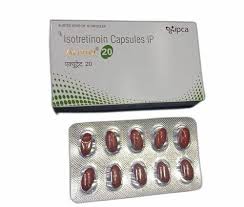
Isotretinoin is a prescription medication used to treat severe acne that has not responded to other treatments. It belongs to a class of drugs known as retinoids, which are derivatives of vitamin A. Isotretinoin works by reducing the production of oil in the skin, preventing the formation of acne lesions.
Uses
Isotretinoin is primarily used to treat severe nodular acne, a type of acne that causes large, painful, and deep cysts or nodules to form under the skin. These cysts can lead to scarring if left untreated. Isotretinoin is usually prescribed when other treatments such as topical creams, antibiotics, or hormonal therapy have been ineffective.
In addition to treating severe acne, isotretinoin has been used to help manage other skin conditions, including:
1. Rosacea: Isotretinoin can reduce redness, inflammation, and the formation of pustules associated with rosacea, a chronic inflammatory skin condition.
2. Folliculitis: This condition occurs when hair follicles become infected, leading to the formation of small pustules or red bumps on the skin. Isotretinoin may be prescribed to reduce inflammation and prevent further infection.
3. Hidradenitis suppurativa: This chronic skin condition causes painful bumps or boils to develop in areas such as armpits, groin, or buttocks. Isotretinoin can be used to control inflammation and reduce the frequency and severity of flare-ups.
Benefits
Isotretinoin has proven to be highly effective in treating severe acne, with significant improvement seen in most patients. Benefits of isotretinoin treatment include:
1. Reducing sebum production: Isotretinoin targets the sebaceous glands, which are responsible for producing oil. By reducing oil production, isotretinoin helps to unclog pores and prevent the formation of new acne lesions.
2. Improving acne lesions: Isotretinoin reduces the size and redness of existing acne cysts and nodules, leading to faster healing and a significant improvement in the appearance of the skin.
3. Preventing scarring: By treating severe acne early with isotretinoin, the risk of permanent scarring can be greatly reduced. Isotretinoin helps to prevent the formation of deep cysts that can result in long-lasting scars.
Side Effects
While isotretinoin can be highly effective, it is important to be aware of potential side effects. Common side effects may include:
1. Dry skin and lips: Isotretinoin can cause excessive dryness of the skin, lips, and mucous membranes. It is important to use moisturizers and lip balms regularly to help alleviate dryness and prevent cracking.
2. Sun sensitivity: Isotretinoin can make the skin more sensitive to sunlight. It is essential to use a broad-spectrum sunscreen and take appropriate sun protection measures, such as wearing protective clothing and avoiding prolonged sun exposure.
3. Muscle and joint pain: Some individuals may experience muscle or joint pain while taking isotretinoin. It is advisable to discuss any persistent or worsening pain with a healthcare professional.
4. Changes in mood: Isotretinoin has been associated with mood changes, including depression, anxiety, and irritability. It is important to seek medical attention if you experience any significant changes in mood or worsening of existing mental health conditions.
Warnings
Isotretinoin is a powerful medication with potential risks, and it is important to use it under careful medical supervision and follow specific guidelines and precautions. Some important warnings include:
1. Pregnancy risks: Isotretinoin has been associated with severe birth defects if taken during pregnancy. It is crucial to avoid pregnancy while on isotretinoin treatment and use effective contraception methods. Regular pregnancy tests may be required during treatment.
2. Liver function: Isotretinoin can affect liver function, so it is essential to undergo regular blood tests to monitor liver enzymes. Individuals with pre-existing liver disease should use isotretinoin with caution.
3. Increased cholesterol levels: Isotretinoin can cause an increase in blood lipid levels, particularly cholesterol and triglycerides. Regular monitoring of lipid profiles is important to prevent long-term health complications.
4. Drug interactions: Isotretinoin can interact with other medications, such as tetracycline antibiotics, increasing the risk of intracranial hypertension. It is vital to inform healthcare providers about all medications being taken to prevent potential drug interactions.
Frequently Asked Questions (FAQs)
It is generally safe to wear makeup while on isotretinoin treatment, but it is important to choose oil-free and non-comedogenic products that will not clog pores.
Visible improvement is usually seen within the first few weeks of treatment, but significant results may take several months.
Isotretinoin can provide long-term remission or significant improvement in acne symptoms in most cases. However, occasional flare-ups may occur.
Alcohol should be avoided while on isotretinoin treatment, as the combination can increase the risk of liver damage.
Hair loss is a possible but rare side effect of isotretinoin. If you experience excessive hair loss, consult your healthcare provider for further evaluation.