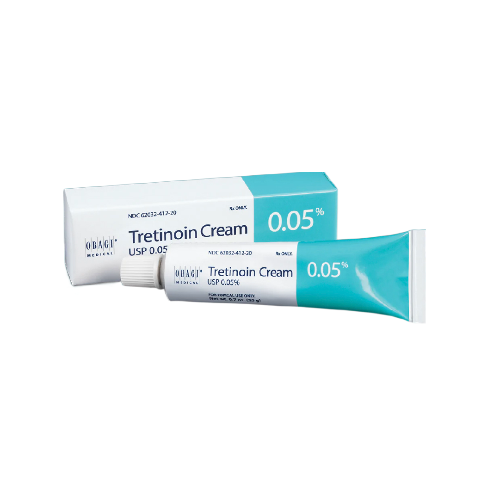
Tretinoin, also known by its brand name Retin-A, is a medication that is commonly used to treat acne and reduce the appearance of wrinkles and age spots. It belongs to a class of medications called retinoids, which are derivatives of vitamin A. Tretinoin is available in various forms such as creams, gels, and foams, and it works by promoting skin cell turnover and preventing the formation of new acne lesions.
Uses
Tretinoin is primarily used to treat acne vulgaris, a common skin condition characterized by the presence of pimples, blackheads, and whiteheads. It helps to unclog pores and prevent the formation of new acne lesions. This medication is often prescribed in combination with other topical or oral medications to achieve optimal results.
In addition to treating acne, tretinoin has been found to be effective in reducing the appearance of fine lines, wrinkles, and age spots. It promotes the production of collagen, a protein that helps to maintain the firmness and elasticity of the skin. Tretinoin can also be used to improve the overall texture of the skin and even out skin tone.
Benefits
The use of tretinoin offers several benefits for those struggling with acne and aging skin:
1. Treats acne: Tretinoin works by unclogging pores, reducing inflammation, and preventing the formation of new acne lesions. It effectively reduces the number of pimples, blackheads, and whiteheads, resulting in clearer and smoother skin.
2. Reduces wrinkles and age spots: Regular use of tretinoin promotes collagen production, which helps to diminish the appearance of fine lines, wrinkles, and age spots. It can make the skin appear younger, firmer, and more radiant.
3. Improves skin texture: Tretinoin helps to exfoliate dead skin cells and stimulate the growth of new skin cells. This improves the overall texture of the skin, making it smoother and more even.
4. Boosts self-confidence: By improving the appearance of the skin, tretinoin can boost self-confidence and improve the quality of life for individuals dealing with acne or signs of aging.
Side Effects
Like any other medication, tretinoin is associated with some potential side effects. These may vary from person to person and can include:
1. Skin irritation: Tretinoin can cause redness, peeling, and dryness of the skin, especially during the initial weeks of treatment. This is often a temporary side effect that improves over time as the skin adjusts to the medication.
2. Sensitivity to sunlight: Tretinoin can increase the skin’s sensitivity to sunlight, making it more prone to sunburn. It is recommended to use sunscreen with a high SPF and avoid prolonged sun exposure while using this medication.
3. Mild burning or stinging: Some individuals may experience a mild burning or stinging sensation upon application of tretinoin. This usually subsides quickly and is not a cause for concern.
4. Skin discoloration: In rare cases, tretinoin may cause hyperpigmentation or hypopigmentation, leading to changes in skin color. It is important to follow the prescribed dosage and application guidelines to minimize this risk.
Warnings
Although tretinoin is generally safe and well-tolerated, certain precautions should be taken:
1. Pregnancy and breastfeeding: Tretinoin is not recommended for use during pregnancy or breastfeeding, as it may cause harm to the unborn child or nursing infant. Consult with a healthcare professional for safer alternatives.
2. Allergies: Individuals with known allergies to tretinoin or any of its components should avoid using this medication and seek alternative treatments.
3. Skin conditions: Tretinoin may not be suitable for individuals with eczema, rosacea, or other skin conditions. It is important to discuss any pre-existing skin conditions with a healthcare professional before starting treatment.
4. Sensitivity: Individuals with known sensitivity to vitamin A derivatives should exercise caution when using tretinoin and should follow the prescribed guidelines to minimize the risk of adverse reactions.
5. Medical history: Inform your doctor about any previous medical conditions, including liver disease, kidney disease, or a history of skin cancer. They can assess the potential risks and benefits of tretinoin for your specific situation.
Frequently Asked Questions (FAQs)
Yes, tretinoin can also be used to treat other skin conditions such as keratosis pilaris and melasma, a condition characterized by dark patches on the skin.
Results can vary, but it usually takes several weeks to notice a significant improvement in acne or skin texture. Consistent and regular use is important for optimal results.
Tretinoin can be used by individuals with sensitive skin, but it is important to start with a lower concentration and gradually increase as tolerated. Patch testing before full application is also recommended.
Some individuals may experience a temporary worsening of acne when starting tretinoin. This is often referred to as the “retinization” period and typically subsides after a few weeks.
Tretinoin is a prescription medication and is not available over the counter. It should be obtained through a healthcare professional to ensure proper dosage and guidance.