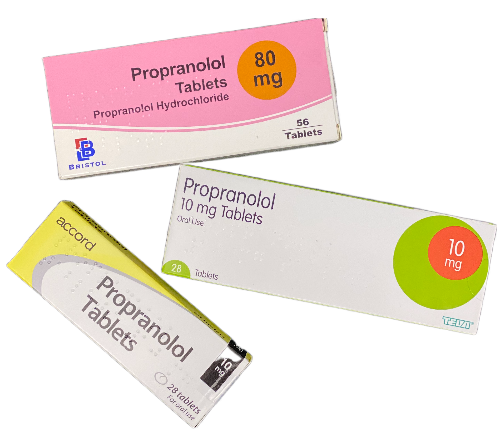
Uses
Propranolol is a medication belonging to a class of drugs known as beta-blockers. It is commonly prescribed by healthcare professionals to treat various conditions including:
- High blood pressure (hypertension)
- Angina (chest pain)
- Irregular heart rhythms (arrhythmias)
- Migraine headaches
- Anxiety disorders
- Essential tremors
- Performance anxiety
Propranolol works by blocking the effects of adrenaline, thus reducing the workload on the heart and decreasing blood pressure. By slowing down the heart rate, it can also relieve symptoms related to anxiety and stress.
Benefits
The use of propranolol offers several benefits for individuals diagnosed with the aforementioned conditions. Some of the potential benefits include:
- Lowering blood pressure, reducing the risk of heart attacks, strokes, and kidney problems associated with hypertension
- Relieving chest pain and improving exercise tolerance in individuals with angina
- Controlling abnormal heart rhythms and preventing potential complications
- Reducing the frequency, severity, and duration of migraines
- Alleviating physical symptoms of anxiety, such as trembling, sweating, and rapid heartbeat
- Managing essential tremors, which are involuntary shaking movements
- Helping individuals overcome performance anxiety, particularly in public speaking or stage performances
Side Effects
It is important to note that propranolol, like any medication, can cause side effects. While not everyone experiences them, potential side effects of propranolol can include:
- Fatigue and weakness
- Dizziness or lightheadedness
- Upset stomach or diarrhea
- Cold hands or feet
- Sleep disturbances, such as insomnia or nightmares
- Impotence or decreased sexual desire
- Depression or mood changes
- Slow heart rate or low blood pressure
If any of these side effects persist or become bothersome, it is advised to consult a healthcare provider. Although rare, more severe side effects may occur, such as difficulty breathing, swelling of the face, or severe allergic reactions. In such cases, immediate medical attention should be sought.
Warnings
Before starting propranolol, it is crucial to inform your healthcare professional about any pre-existing medical conditions or ongoing treatments. Individuals with the following conditions should exercise caution when using propranolol:
- Asthma or chronic obstructive pulmonary disease (COPD)
- Heart failure or certain heart conditions
- Diabetes
- Thyroid disorders
- Liver or kidney problems
Furthermore, propranolol can potentially interact with other medications, such as certain antidepressants, blood thinners, or medications used for treating high blood pressure. It is essential to consult with a healthcare provider or pharmacist to avoid any drug interactions.
Pregnant or breastfeeding individuals should also consult their healthcare provider before using propranolol, as its safety during these periods has not been thoroughly studied.
FAQs
No, sudden discontinuation of propranolol can lead to rebound effects such as increased heart rate, chest pain, or hypertension. It is recommended to gradually decrease the dose under medical supervision.
The onset of action varies depending on the condition being treated. For some conditions, such as anxiety or tremors, the effects may be noticeable within an hour, while others, like migraines, may take a few weeks to show improvement.
Propranolol can be prescribed for children for certain conditions, such as heart rhythm abnormalities. However, it should only be used under close medical supervision.
No specific dietary restrictions are necessary when taking propranolol. However, it is generally recommended to avoid consuming alcohol as it can increase the risk of side effects.
Yes, propranolol is often used for managing performance anxiety, including stage fright. It can help alleviate the physical symptoms associated with anxiety, such as trembling, palpitations, and sweating.