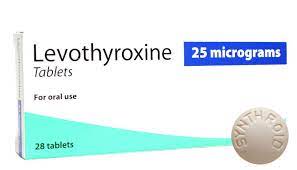
Levothyroxine is a medication that is primarily used to treat an underactive thyroid gland, also known as hypothyroidism. It is a synthetic form of the thyroid hormone thyroxine, which is naturally produced by the thyroid gland. Levothyroxine helps to regulate the body’s metabolism by increasing the levels of this essential hormone.
Uses
Levothyroxine is widely prescribed by healthcare professionals to manage hypothyroidism, a condition in which the thyroid gland does not produce enough thyroxine. Symptoms of hypothyroidism include fatigue, weight gain, depression, and muscle weakness. By increasing the levels of thyroxine in the body, levothyroxine helps to alleviate these symptoms, promoting overall wellbeing.
In addition to treating hypothyroidism, levothyroxine is also used to prevent goiter, an enlargement of the thyroid gland caused by an iodine deficiency or other underlying thyroid disorders. It is important to note that levothyroxine should not be used for weight loss purposes, as it may lead to serious adverse effects and is not intended for this purpose.
Benefits
Levothyroxine has proven to be highly effective in restoring thyroid hormone levels for individuals with hypothyroidism. By decreasing symptoms such as fatigue, weight gain, and depression, it can greatly improve their quality of life. Additionally, some individuals may experience increased energy levels, improved concentration, and a boost in metabolism.
When used to prevent goiter, levothyroxine ensures that the thyroid gland functions properly, preventing complications associated with an enlarged gland such as difficulty swallowing, breathing problems, or discomfort in the neck area.
Side Effects
As with any medication, levothyroxine can cause side effects, although not everyone experiences them. Common side effects include headaches, nervousness, increased appetite, and temporary hair loss. These side effects are usually mild and tend to dissipate as the body adjusts to the medication. It is important to consult with a healthcare professional if these side effects persist or become bothersome.
In rare cases, individuals may experience more serious side effects such as chest pain, rapid or irregular heartbeat, or allergic reactions. If any of these severe side effects occur, medical attention should be sought immediately.
Warnings
Prior to taking levothyroxine, it is crucial to inform your healthcare professional of any existing medical conditions, allergies, or medications you may be taking, including herbal supplements or over-the-counter drugs. Levothyroxine may interact with certain medications, potentially decreasing their effectiveness or causing harmful side effects.
It is also important to follow the prescribed dosage and attend regular follow-up appointments with your healthcare professional to monitor your thyroid hormone levels. Adjustments to the dosage may be required to ensure optimal effectiveness of the medication.
FAQs
Levothyroxine typically starts working within a few days, but noticeable improvement in symptoms may take weeks. It is important to follow your healthcare provider’s instructions and not to adjust the dosage without consulting them first.
Levothyroxine is generally considered safe for pregnant women and is often prescribed to manage hypothyroidism during pregnancy. However, dosage adjustments may be necessary, so it is crucial to consult with your healthcare professional for proper supervision.
Levothyroxine should be taken on an empty stomach, preferably in the morning, at least 30 minutes before consuming food or other medications. Certain food and beverages, such as soy products, high-fiber foods, and calcium supplements, may interfere with the absorption of levothyroxine and should be avoided during this time.
No, it is important to continue taking levothyroxine as prescribed by your healthcare professional. Stopping the medication abruptly can lead to a recurrence of hypothyroidism symptoms. Any adjustments or discontinuation should only be done under medical supervision.
When taken as prescribed, there are typically no long-term effects of taking levothyroxine. However, regular monitoring of thyroid hormone levels and occasional dosage adjustments may be required to ensure the medication’s continued effectiveness.






