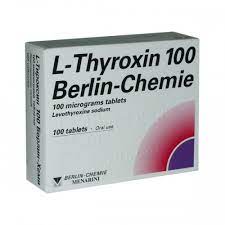
L Thyroxine: Uses – Side Effects – Warnings
L Thyroxine, also known as levothyroxine, is a synthetic form of the thyroid hormone thyroxine (T4). It is primarily prescribed to treat hypothyroidism, a condition where the thyroid gland does not produce enough hormones. This medication works by replacing or supplementing the thyroid hormone to restore normal levels in the body.
Uses
L Thyroxine is prescribed for various purposes, including:
-
- Hypothyroidism: L Thyroxine is the standard treatment for hypothyroidism, a condition that can cause fatigue, weight gain, depression, and other symptoms. It helps to regulate the metabolism and energy levels in the body.
-
- Thyroid Cancer: After surgical removal of the thyroid gland, L Thyroxine is often given to patients to replace the missing hormones.
-
- Goiter: Goiter, an enlarged thyroid gland, can be caused by iodine deficiency or other factors. L Thyroxine may be prescribed to shrink the goiter and normalize thyroid hormone levels.
-
- Thyroid Nodules: If nodules develop in the thyroid gland, L Thyroxine might be recommended to suppress their growth or prevent the formation of new nodules.
Benefits
L Thyroxine provides several benefits for individuals with thyroid disorders:
-
- Improved Energy Levels: By restoring normal hormone levels, L Thyroxine can help alleviate fatigue and increase energy levels.
-
- Weight Management: Hypothyroidism can lead to weight gain. L Thyroxine can assist in maintaining a healthy weight by regulating the metabolism.
-
- Mood Enhancement: Many individuals with hypothyroidism experience depression and mood swings. L Thyroxine can help stabilize mood and improve overall well-being.
-
- Normalizing Hormone Levels: L Thyroxine ensures that the body has an adequate supply of thyroid hormones, which are essential for various physiological functions.
Side Effects
While L Thyroxine is generally well-tolerated, some individuals may experience side effects, including:
-
- Headache: Some people may experience mild to moderate headaches, which usually subside after a few days of starting the medication.
-
- Insomnia: L Thyroxine can disrupt sleep patterns, causing difficulty falling asleep or staying asleep.
-
- Irregular Heartbeat: In rare cases, L Thyroxine can cause palpitations or irregular heart rhythms, especially if the dosage is too high.
-
- Nervousness: Some individuals may experience restlessness, anxiety, or increased irritability when starting L Thyroxine.
-
- Hair Loss: In some cases, L Thyroxine can lead to temporary hair loss, which usually resolves after a few months.
Warnings
It is important to be aware of certain precautions and warnings associated with L Thyroxine:
-
- Allergies: Inform your healthcare provider if you have any allergies, especially to medications or ingredients in L Thyroxine.
-
- Medical Conditions: Individuals with heart disease, diabetes, or adrenal gland problems should use L Thyroxine with caution and under medical supervision.
-
- Drug Interactions: L Thyroxine can interact with certain medications, such as blood thinners, antidepressants, and calcium supplements. Always inform your doctor about all the medications you are taking.
-
- Pregnancy and Breastfeeding: L Thyroxine is generally safe during pregnancy and breastfeeding. However, dosage adjustments may be necessary, so consult your doctor for proper guidance.
-
- Overdose: Taking excessive amounts of L Thyroxine can lead to symptoms of hyperthyroidism, including rapid heartbeat, tremors, and weight loss. Seek immediate medical attention if you suspect an overdose.
FAQs
L Thyroxine can interact with certain medications, so it is important to inform your doctor about all the medications you are taking, including over-the-counter drugs and supplements.
Most individuals start to notice an improvement in their symptoms within a few weeks of starting L Thyroxine. However, it may take several months for the medication to reach its full effect.
It is recommended to take L Thyroxine on an empty stomach, at least 30 minutes before eating. Certain foods, such as soy products and high-fiber foods, may interfere with the absorption of L Thyroxine and should be consumed at least four hours apart from the medication.
No, L Thyroxine should not be stopped abruptly. It is important to consult your doctor before making any changes to your medication regimen. Gradual dosage adjustments may be necessary to avoid adverse effects.
If you miss a dose, take it as soon as you remember. However, if it is almost time for your next scheduled dose, skip the missed dose and continue with your regular dosing schedule. Do not double the dose to make up for a missed one.






