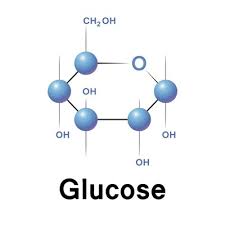
Glucose: Uses – Side Effects – Warnings
Glucose is a vital source of energy for the body, serving as the primary fuel for various bodily functions. It is a type of sugar that is naturally produced by the body through the breakdown of carbohydrates. Additionally, glucose can be obtained through various dietary sources, including fruits, vegetables, and grains. In some cases, individuals may require additional glucose intake through medications or intravenous solutions. This article explores the uses, benefits, side effects, and warnings associated with the use of glucose.
Uses
Glucose has several important uses in the field of medicine. Some of the key applications include:
1. Energy Supplement: Glucose is commonly used as an energy supplement for individuals who have low blood sugar levels, also known as hypoglycemia. It provides a quick and readily available source of energy, helping to restore blood glucose levels to normal.
2. Intravenous Solutions: Glucose is frequently included in intravenous solutions to provide hydration and nourishment to patients who are unable to consume food or fluids orally. These solutions are particularly important in hospital settings, where patients may be unable to eat due to surgery or other medical conditions.
3. Diagnostic Aid: Glucose is also utilized in certain diagnostic procedures. For instance, it is used in the oral glucose tolerance test to diagnose gestational diabetes in pregnant women. Additionally, glucose is employed in certain imaging tests, such as positron emission tomography (PET), to enhance the visualization of certain tissues or organs.
Benefits
The use of glucose offers various benefits, including:
1. Rapid Energy Source: Glucose provides a quick and efficient source of energy for the body, making it highly beneficial for individuals experiencing low blood sugar levels or those needing an immediate energy boost.
2. Enhanced Athletic Performance: Athletes often consume glucose-based products to improve their performance during intense physical activities. The rapid absorption and utilization of glucose by muscles can help delay fatigue and improve endurance.
3. Improved Recovery: Glucose plays a crucial role in muscle recovery after intense physical exercise. By replenishing glycogen stores in muscles, glucose aids in the restoration of energy levels and promotes faster recovery.
Side Effects
While glucose is generally safe for consumption, it can have some side effects, including:
1. Hyperglycemia: Excessive intake of glucose can lead to high blood sugar levels, known as hyperglycemia. This can be particularly problematic for individuals with diabetes or insulin resistance, as it may worsen their condition.
2. Weight Gain: Glucose is a calorie-dense substance, and excessive consumption can contribute to weight gain. It is essential to maintain a balanced diet and monitor glucose intake to avoid unwanted weight gain.
3. Gastrointestinal Discomfort: In some cases, consuming large amounts of glucose can cause gastrointestinal discomfort, including bloating, gas, and diarrhea. It is advisable to consume glucose in moderation to minimize such side effects.
Warnings
Certain precautions and warnings should be considered when using or consuming glucose:
1. Diabetes Management: Individuals with diabetes should carefully monitor their glucose intake and consult with healthcare professionals to ensure it aligns with their treatment plan. Adjustments to medication or insulin doses may be necessary to maintain blood sugar levels within a healthy range.
2. Allergies: Some individuals may be allergic to glucose or develop allergic reactions. If any signs of an allergic reaction, such as hives, difficulty breathing, or swelling, occur after consuming glucose, immediate medical attention should be sought.
3. Medication Interactions: Glucose may interact with certain medications, such as insulin or oral hypoglycemic drugs. It is crucial to inform healthcare providers about all medications being taken to prevent any potential adverse effects or interactions.
FAQs
Glucose is not recommended as a weight loss supplement due to its high calorie content. It is preferable to focus on a balanced diet and regular physical activity for weight management.
No, glucose and table sugar (sucrose) are different. While glucose is a simple sugar, sucrose is a combination of glucose and fructose.
Glucose can be consumed during pregnancy, but it is essential to follow the recommendations of healthcare professionals and maintain balanced blood sugar levels.
Yes, glucose can be administered to infants and children in appropriate doses under medical supervision. However, it is crucial to consult a pediatrician before administering any medications or supplements.
Yes, several natural food sources contain glucose, including fruits like bananas, grapes, and oranges, as well as starchy vegetables and whole grains.






