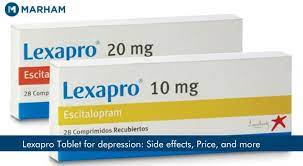
Lexapro is a brand name for the generic drug escitalopram. It’s an antidepressant medication that belongs to a class of drugs known as selective serotonin reuptake inhibitors (SSRIs). Lexapro primarily works by impacting the levels of serotonin in the brain. This article’ll explore its uses, benefits, side effects, and warnings.
Uses
Lexapro is commonly prescribed for the treatment of depression and anxiety disorders such as generalized anxiety disorder (GAD), panic disorder, and obsessive-compulsive disorder (OCD). It works by restoring the balance of serotonin in the brain, which helps regulate mood, sleep, and appetite.
In addition to its primary uses, doctors may also prescribe Lexapro to treat other conditions such as social anxiety disorder, post-traumatic stress disorder (PTSD), and premenstrual dysphoric disorder (PMDD).
Benefits
In clinical studies, Lexapro has been found to be effective in improving the symptoms of depression and anxiety. The medication is also generally well-tolerated, with minimal side effects compared to other antidepressants.
Patients may start to feel improvements in their mood as early as one to two weeks after starting Lexapro. However, it may take up to six weeks for the full effects of the medication to be felt.
It’s important to follow the prescribed dosage instructions and to continue taking the medication as directed by your doctor, even if you start feeling better.
Side Effects
Like all medications, Lexapro can cause side effects. Some common side effects may include:
- Nausea
- Insomnia
- Drowsiness
- Diarrhea
- Headache
- Increased sweating
- Sexual dysfunction
Most of these side effects are generally mild and may go away on their own within a few days or weeks. However, if they persist or become more severe, it’s important to speak with your doctor.
In rare cases, Lexapro may cause more serious side effects such as suicidal thoughts or behavior. It’s important to seek medical attention immediately if you experience any of the following symptoms while taking the medication:
- Thoughts of suicide or self-harm
- Agitation or restlessness
- Panic attacks
- Aggressive behavior
- Mania or hypomania
Warnings
Before starting Lexapro, it’s important to inform your doctor of any other medications or supplements you are taking, including any herbal or over-the-counter medications. Certain medications may interact with Lexapro, increasing the risk of side effects or reducing the effectiveness of the medication.
Lexapro may also not be suitable for people with certain medical conditions such as liver or kidney disease, seizures, or a history of bipolar disorder. Discussing your medical history with your doctor before starting the medication is important.
Lexapro may also not be suitable for pregnant or breastfeeding women, as it may have adverse effects on the fetus or infant. It’s important to discuss the risks and benefits of taking Lexapro with your doctor if you are pregnant or breastfeeding.
FAQs
Lexapro may interact with certain medications or supplements, so it’s important to inform your doctor of any other medications you are taking.
Most patients start to feel improvements in their mood within one to two weeks of starting Lexapro, but it may take up to six weeks for the full effects of the medication to be felt.
Common side effects of Lexapro may include nausea, insomnia, drowsiness, diarrhea, headache, increased sweating, and sexual dysfunction.
In rare cases, Lexapro may cause suicidal thoughts or behavior. It’s important to seek medical attention immediately if you experience any symptoms of suicidal ideation.
Lexapro may not be suitable for pregnant or breastfeeding women, as it may have adverse effects on the fetus or infant. It’s important to discuss the risks and benefits of taking Lexapro with your doctor if you are pregnant or breastfeeding.






 is an SSRI antidepressant used for depression and anxiety disorders, improving mood, sleep, and daily well-being safe use.)