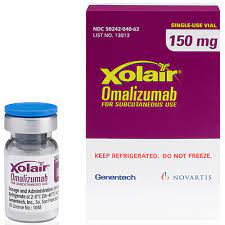
Xolair is a prescription medication that is primarily used in the treatment of allergic asthma and chronic idiopathic urticaria (CIU). Xolair is also known as omalizumab and is classified as a monoclonal antibody. In this article, we will discuss the benefits of Xolair, its possible side effects, and important warnings to consider before taking this medication.
Uses of Xolair
Xolair is an injectable medication that is used to treat the symptoms of allergic asthma and CIU. Allergic asthma is a type of asthma that occurs when a person’s immune system overreacts to airborne allergens like pollen, dust mites, and animal dander. When exposed to these allergens, the airways in the lungs become inflamed, narrowing the air passageways and causing asthma symptoms like wheezing, coughing, and shortness of breath.
CIU, on the other hand, is a skin condition that is characterized by the sudden appearance of hives or welts on the skin. These hives can appear anywhere on your body and can itch intensely. The cause of CIU is unknown, but it is believed to be an autoimmune disorder.
Benefits of Xolair
Xolair works by blocking the action of a protein called immunoglobulin E (IgE), which is a key player in allergic reactions. By reducing the amount of IgE in the body, Xolair can prevent the immune system from overreacting to allergens and triggering asthma or CIU symptoms.
For people with allergic asthma, Xolair can greatly reduce the frequency and severity of asthma attacks. It can also improve lung function and reduce the need for other asthma medications. Studies have shown that Xolair can reduce the number of asthma attacks by up to 50% and improve lung function by 20-30%.
For people with CIU, Xolair can provide long-lasting relief from hives. In clinical trials, people who took Xolair significantly reduced the number and severity of hives.
Side Effects of Xolair
Like all medications, Xolair can cause side effects. The most common side effects of Xolair include:
- Injection site reactions such as pain, swelling, or redness
- Headache
- Joint pain
- Fever
- Nausea
- Diarrhea
Less commonly, Xolair can cause serious side effects, including:
- Anaphylaxis, a severe allergic reaction that can be life-threatening
- Decreased blood platelet counts, which can increase the risk of bleeding
- Cancer, although this is a very rare side effect
- Heart and blood vessel problems, such as blood clots and inflammation of blood vessels
If you experience any of these serious side effects, seek medical attention immediately.
Warnings
Before taking Xolair, it is important to inform your doctor of any medical conditions you may have, such as heart disease, cancer, or blood clotting disorders. Xolair is not recommended for people with these conditions.
Xolair should also not be taken by people who have had a severe allergic reaction to it in the past. People with a history of anaphylaxis or a very low number of blood platelets should also avoid Xolair.
Xolair can also interact with certain medications, so be sure to inform your doctor of all medications you are taking, including over-the-counter medications and herbal supplements.
FAQs
Xolair is administered as a monthly injection by a healthcare professional.
Xolair should only be used during pregnancy if the potential benefits outweigh the potential risks.
Xolair can start working within a few days to a few weeks after the first injection.
The effects of Xolair can last for up to four weeks after each injection.
Xolair is only approved for use in the treatment of allergic asthma and CIU. It is not currently approved for other allergic conditions.
Conclusion
In conclusion, Xolair is a powerful medication that can significantly relieve allergic asthma and CIU. However, it is important to be aware of the possible side effects and important warnings before taking this medication. If you experience any concerning symptoms while taking Xolair, consult your healthcare provider immediately.