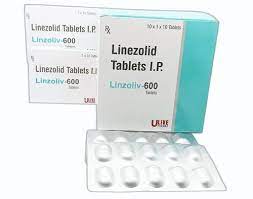
Linezolid is an antibiotic medication that is primarily used to treat infections caused by certain bacteria. It belongs to a class of drugs known as oxazolidinones and works by stopping the growth of bacteria. Linezolid is mainly prescribed for skin and soft tissue infections, pneumonia, and other serious infections caused by methicillin-resistant Staphylococcus aureus (MRSA) or other similar bacteria.
Uses
Linezolid is prescribed for:
– Skin and soft tissue infections: It can be used to treat various types of skin infections, such as cellulitis, abscesses, and infected wounds. Linezolid helps to eliminate the bacteria responsible for these infections and reduces symptoms like redness, swelling, and pain.
– Pneumonia: This antibiotic is also effective in treating community-acquired pneumonia and hospital-acquired pneumonia caused by susceptible organisms. It helps to clear the infection from the lungs and improves breathing.
Benefits
The benefits of Linezolid include:
– Effective against drug-resistant bacteria: Linezolid is particularly useful in the treatment of infections caused by bacteria that are resistant to other antibiotics. It is commonly prescribed to fight against methicillin-resistant Staphylococcus aureus (MRSA) and vancomycin-resistant Enterococcus (VRE) infections, which are difficult to treat with other antibiotics.
– Oral and intravenous formulations available: Linezolid can be taken orally or administered intravenously, providing flexibility in the route of administration depending on the severity of the infection and the patient’s condition.
Side Effects
Common side effects of Linezolid:
While Linezolid is generally tolerable, like any medication, it may cause certain side effects:
– Nausea and vomiting
– Diarrhea
– Headache
– Stomach upset
– Insomnia
Less common side effects:
– Long-term use of Linezolid may result in decreased blood cell levels, leading to anemia or low platelet count. Regular blood monitoring is recommended to detect any abnormalities.
– Serotonin syndrome, a potentially life-threatening condition characterized by high body temperature, agitation, increased heart rate, and confusion, may occur when Linezolid is combined with certain antidepressant medications.
Warnings
Before using Linezolid, consider the following:
– Allergy or hypersensitivity: Inform your healthcare provider if you have any known allergies to Linezolid or any other medications. Allergic reactions to Linezolid can be severe and require immediate medical attention.
– Underlying medical conditions: Certain medical conditions such as liver disease, kidney problems, uncontrolled high blood pressure, and overactive thyroid may affect the safety and effectiveness of Linezolid. Discuss your medical history with your doctor before starting treatment.
– Drug interactions: Linezolid has the potential to interact with other medications, including antidepressants, certain pain medications, and other antibiotics. Inform your doctor about all the medications you are taking or have recently used to avoid potentially harmful drug interactions.
Always follow your doctor’s advice, take Linezolid as prescribed, and complete the full course of medication to ensure successful treatment and prevent the recurrence of infections.
FAQs
No, Linezolid is an antibiotic medication used to treat bacterial infections only. It is not effective against viral infections, such as the common cold or flu.
The duration of Linezolid treatment varies depending on the infection being treated. Follow your doctor’s instructions and complete the full course of medication, even if symptoms improve before completing the prescribed duration.
Pregnant women should consult their healthcare provider before taking Linezolid. The potential risks and benefits of using this medication during pregnancy should be carefully evaluated.
Linezolid can be used in children for specific infections. It is essential to consult a pediatrician to determine the appropriate dosage and treatment duration for children.
While Linezolid fights against antibiotic-resistant bacteria, the overuse or misuse of any antibiotic can contribute to the development of antibiotic resistance. It is important to take Linezolid as prescribed and not use it for minor infections or non-bacterial conditions.






