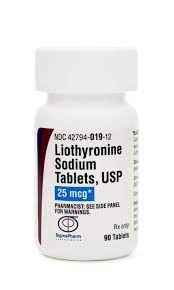
Liothyronine is a medication that is used to treat an underactive thyroid gland, also known as hypothyroidism. It is a synthetic form of the thyroid hormone, triiodothyronine (T3). Liothyronine works by replacing or supplementing the thyroid hormone, which is essential for regulating metabolism and other bodily functions.
Uses
Liothyronine is primarily used to treat hypothyroidism, a condition where the thyroid gland does not produce enough thyroid hormone. This can lead to a wide range of symptoms including fatigue, weight gain, depression, and cold intolerance. By providing the missing hormone, liothyronine helps to relieve these symptoms and bring the body’s metabolism back to normal levels.
In some cases, liothyronine may also be used to treat certain types of thyroid cancer. It is used as part of a comprehensive treatment plan, which may involve surgery, radiation, and other medications. However, the use of liothyronine for thyroid cancer should be determined by a qualified healthcare professional.
Benefits
The main benefit of liothyronine is its ability to alleviate the symptoms of hypothyroidism. By supplementing the thyroid hormone, it can help improve energy levels, mood, and overall well-being. Many individuals who take liothyronine notice an improvement in their symptoms within a few weeks of starting the medication.
In addition to treating hypothyroidism, liothyronine has also been used off-label for weight loss purposes. Some individuals have reported that liothyronine can help boost metabolism and facilitate weight loss when combined with a healthy diet and exercise routine. However, it is important to note that using liothyronine for weight loss without a medical necessity is not recommended, as it can lead to serious side effects.
Side Effects
As with any medication, liothyronine can cause side effects, although not everyone experiences them. Common side effects may include increased heart rate, palpitations, anxiety, and difficulty sleeping. These side effects are usually mild and temporary, and they tend to resolve as the body adjusts to the medication.
In rare cases, liothyronine may cause more serious side effects such as chest pain, irregular heartbeat, and excessive sweating. If you experience any of these symptoms or any other unusual reactions, it is important to seek immediate medical attention.
It is worth noting that taking too much liothyronine can lead to hyperthyroidism, a condition where the thyroid gland becomes overactive. This can cause symptoms such as weight loss, tremors, and increased appetite. It is crucial to take liothyronine as prescribed and regularly monitor thyroid hormone levels to avoid complications.
Warnings
Liothyronine should not be used by individuals who have an overactive thyroid, a heart condition, or uncontrolled adrenal gland problems. It is important to inform your healthcare provider about any pre-existing medical conditions or medications you are taking before starting liothyronine.
Pregnant women or those planning to become pregnant should consult with their healthcare provider before taking liothyronine. While there is limited evidence of adverse effects on pregnancy, it is crucial to monitor thyroid hormone levels throughout pregnancy to ensure optimal thyroid function for both the mother and the baby.
It is important to take liothyronine exactly as prescribed by your healthcare provider. Do not adjust the dosage or stop taking it without consulting a healthcare professional first. Regular blood tests may be required to monitor thyroid hormone levels and ensure the medication is working effectively.
FAQs
Liothyronine has been reported to aid in weight loss when used in combination with a healthy diet and exercise routine. However, it is essential to use it under medical supervision and only if prescribed for this purpose.
Individuals typically notice an improvement in their symptoms within a few weeks of starting liothyronine. However, the exact time may vary depending on the individual and their specific condition.
Liothyronine may interact with certain medications, including blood thinners, diabetes medications, and antidepressants. It is crucial to inform your healthcare provider about all the medications you are taking to avoid potential interactions.
Pregnant women or those planning to become pregnant should consult with their healthcare provider before taking liothyronine. Close monitoring of thyroid hormone levels is necessary to ensure optimal thyroid function during pregnancy.
If you miss a dose, take it as soon as you remember, unless it is close to the next scheduled dose. In that case, skip the missed dose and resume your regular dosing schedule. Do not take a double dose to make up for a missed one.