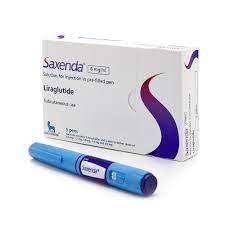
Liraglutide is a medication that is used for weight loss in overweight or obese individuals. It is administered through subcutaneous injection, meaning it is injected just under the skin. Liraglutide is a glucagon-like peptide-1 (GLP-1) receptor agonist, which means it works by mimicking the effects of GLP-1 in the body. GLP-1 is a hormone that regulates blood sugar levels, and liraglutide helps to control appetite and promote weight loss.
Uses
Liraglutide is primarily used to help overweight or obese individuals lose weight when combined with a reduced-calorie diet and increased physical activity. It is prescribed for people with a body mass index (BMI) of 30 or higher, or for those with a BMI of 27 or higher who have weight-related medical conditions such as high blood pressure, type 2 diabetes, or high cholesterol.
Liraglutide is not intended for use in individuals who are not overweight or obese, or as a standalone treatment for weight loss. It should be used in combination with lifestyle changes to achieve and maintain weight loss.
Benefits
Liraglutide has been shown to have several benefits for weight loss. It helps to reduce appetite and increase feelings of fullness, which can lead to a reduced caloric intake. It also slows down the emptying of the stomach, which helps to control blood sugar levels and decrease hunger. These effects can contribute to significant weight loss over time.
In addition to weight loss, liraglutide has been found to have positive effects on other health markers. It can improve glycemic control in individuals with type 2 diabetes, reduce blood pressure, and improve cholesterol levels. These benefits can lead to a decreased risk of developing obesity-related complications such as cardiovascular disease and diabetes.
Side Effects
Like any medication, liraglutide can cause side effects. The most common side effects include nausea, vomiting, diarrhea, and constipation. These side effects are usually mild and go away on their own. However, if they persist or become severe, it is important to consult a healthcare professional.
Less common but more serious side effects of liraglutide may include pancreatitis (inflammation of the pancreas), gallbladder problems, and kidney problems. It is important to seek immediate medical attention if you experience severe abdominal pain, persistent vomiting, or signs of kidney problems such as changes in urination.
Warnings
Before starting liraglutide, it is important to inform your healthcare provider about any medical conditions you have, especially if you have a history of pancreatitis, gallbladder problems, thyroid problems, or kidney problems. Liraglutide may not be suitable for individuals with these conditions.
It is also important to disclose all medications you are taking, as certain medications may interact with liraglutide and increase the risk of side effects. This includes insulin and other diabetes medications.
Pregnant or breastfeeding women should not use liraglutide, as its safety in these populations has not been established.
Liraglutide should not be used in conjunction with other GLP-1 receptor agonists or medications that contain liraglutide.
FAQs
No, liraglutide should be used in combination with a reduced-calorie diet and increased physical activity to achieve and maintain weight loss.
Individual results may vary, but weight loss can typically be seen within the first few weeks of starting liraglutide. The rate of weight loss may slow down over time.
Yes, liraglutide can be used to help improve glycemic control in individuals with type 2 diabetes. It is important to consult a healthcare provider for proper dosing and monitoring.
Liraglutide may be used in individuals with heart disease, but it is important to consult a healthcare provider for a thorough evaluation of the risks and benefits.
If you miss a dose, take it as soon as you remember. However, if it is close to your next scheduled dose, skip the missed dose and continue with your regular dosing schedule. Do not take a double dose to make up for a missed one.






