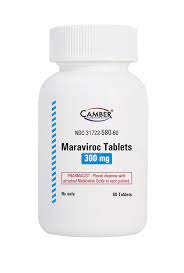
Maraviroc is a prescription medication used to treat human immunodeficiency virus type 1 (HIV-1) infection. It belongs to a class of drugs known as CCR5 antagonists. Maraviroc works by blocking the CCR5 co-receptor on the surface of immune cells, preventing the virus from entering and infecting these cells. This article will explore the uses, benefits, side effects, and warnings associated with the use of Maraviroc.
Uses
Maraviroc is primarily prescribed to individuals who are already infected with HIV-1. It is used in combination with other antiretroviral medications to control the progression of the virus and reduce the risk of developing acquired immunodeficiency syndrome (AIDS). Maraviroc is specifically indicated for patients who have CCR5-tropic HIV-1, which means the virus uses the CCR5 co-receptor to enter immune cells.
Benefits
The main benefit of Maraviroc is its ability to suppress the replication of HIV-1 and reduce the viral load in the body. By preventing the virus from entering immune cells, Maraviroc helps to maintain the function of the immune system and slow down the progression of the disease. This medication also contributes to reducing the risk of opportunistic infections and other HIV-related complications.
Side Effects
Like any medication, Maraviroc can cause side effects. Common side effects may include cough, diarrhea, dizziness, fatigue, headache, joint pain, muscle aches, nausea, skin rash, stomach pain, and vomiting. These side effects are usually mild and go away on their own. However, if they persist or worsen, it is important to consult a healthcare professional.
In rare cases, Maraviroc can cause more serious side effects such as liver problems, allergic reactions, and cardiovascular events. It is crucial to seek immediate medical attention if you experience symptoms such as yellowing of the skin or eyes, dark urine, abdominal pain, difficulty breathing, chest pain, or irregular heartbeat. These severe side effects require prompt medical intervention.
Warnings
Prior to starting Maraviroc, it is essential to inform your healthcare provider about any pre-existing medical conditions or allergies. Maraviroc may not be suitable for individuals with liver disease or a history of heart problems. Additionally, certain medications, such as strong CYP3A inhibitors or inducers, may interact with Maraviroc and affect its effectiveness or increase the risk of side effects.
Maraviroc should not be used as a stand-alone treatment for HIV-1. It is always prescribed in combination with other antiretroviral drugs to achieve optimal results. Adherence to the prescribed dosage and schedule is crucial to ensure the effectiveness of the treatment. Missing doses or stopping the medication without medical advice can lead to treatment failure and the development of drug-resistant strains of HIV-1.
Conclusion
In conclusion, Maraviroc is a valuable medication in the treatment of HIV-1 infection. It helps to control the virus, reduce viral load, and slow down disease progression. However, it is important to be aware of the potential side effects and warnings associated with its use. Always follow the guidance of healthcare professionals and adhere to the prescribed treatment plan for optimal results.
FAQs
No, Maraviroc cannot cure HIV. It is an antiretroviral medication used to control the virus and slow down disease progression.
The effectiveness of Maraviroc varies from person to person. It may take a few weeks to several months to see a significant reduction in viral load.
It is generally recommended to avoid alcohol consumption while taking Maraviroc, as it may increase the risk of liver problems.
Maraviroc should only be used during pregnancy if the benefits outweigh the potential risks. It is important to consult with a healthcare provider to assess the individual situation.
It is not recommended to breastfeed while taking Maraviroc, as the medication may pass into breast milk and pose a risk to the infant. Discuss alternative feeding options with a healthcare provider.






 infection.)