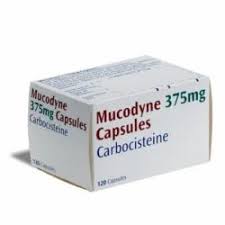
When it comes to respiratory disorders, Mucodyne is a commonly prescribed medicine. It is a brand name for the active ingredient carbocisteine. This mucolytic medicine helps clear the airways in people with illnesses such as chronic obstructive pulmonary disease (COPD) and cystic fibrosis. In this article, we will discuss the uses, benefits, side effects, and warnings of Mucodyne.
Uses
Mucodyne is used to treat chronic bronchitis, COPD, and cystic fibrosis. It helps thin the mucus in the respiratory tract, making it easier for people to cough up the phlegm and breathe easier. This makes it a useful medicine for people who suffer from chronic bronchitis, a respiratory condition that causes inflammation and mucus build-up in the airways. It also helps provide relief to those with COPD, a group of lung diseases that make it difficult to breathe. Mucodyne can also be used to treat respiratory infections caused by thick mucus, such as bronchitis and pneumonia.
Benefits
When used properly, Mucodyne can provide several benefits to those suffering from respiratory disorders. The most significant benefit is that it helps to improve breathing by reducing the amount of mucus in the lungs and airways. By doing so, Mucodyne can prevent further damage to the lungs and reduce the risk of future respiratory infections. Additionally, it helps alleviate the symptoms associated with chronic bronchitis and COPD, such as coughing, wheezing, and shortness of breath.
Side Effects
Like all medications, Mucodyne has its side effects. However, not everyone will experience them, and some side effects can be minor. The most common side effects of Mucodyne include:
- Upset stomach
- Headache
- Dizziness
- Rash or itching
Serious side effects are rare, but they can occur. These include:
- Blood in the urine
- Severe allergic reactions
- Breathing difficulties
- Swelling of the face, tongue, or throat
If you experience any serious or persistent side effects, you should seek medical attention immediately.
Warnings
It is important to take Mucodyne as prescribed by your doctor to avoid any potential complications. The medication should not be given to children under the age of 2 years, pregnant women, or people with a history of stomach ulcers. Additionally, people with a history of liver or kidney disease should talk to their doctor before starting the medication. Mucodyne can interact with other medications, so it is essential to inform your doctor of all the medicines you are taking.
FAQs
It can take up to several days for Mucodyne to work. However, you should continue taking it until your doctor tells you to stop.
You should speak to your doctor before taking Mucodyne with other medications. It is possible that Mucodyne may interact with other drugs such as antibiotics and anticoagulants.
Mucodyne is not recommended for colds or other viral illnesses. It is only effective for respiratory illnesses that cause the build-up of thick mucus.
No, Mucodyne does not have any addictive properties.
There are no known dietary restrictions when taking Mucodyne.