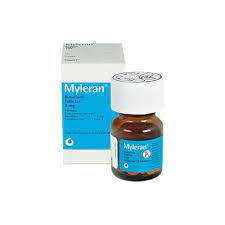
Myleran (generic name: busulfan) is a chemotherapy drug used to treat certain types of cancer, including chronic myeloid leukemia (CML), polycythemia vera, myelofibrosis, and lymphoblastic leukemia. It is also used in bone marrow transplant procedures.
Although it can be an effective treatment for cancer, Myleran can also cause serious side effects. In this article, we’ll discuss the uses, benefits, side effects, and warnings associated with this drug.
Uses
Myleran is primarily used in the treatment of chronic myeloid leukemia (CML). It is also used to treat polycythemia vera, myelofibrosis, and lymphoblastic leukemia. Myleran works by slowing or stopping the growth of cancer cells, allowing the body’s immune system to attack and destroy them.
Myleran is also used in bone marrow transplant procedures. In these procedures, high doses of Myleran are used to kill the cancer cells in the patient’s bone marrow, which is then replaced by healthy bone marrow from a donor.
Benefits
The primary benefit of Myleran is that it can be an effective treatment for certain types of cancer. For patients with chronic myeloid leukemia, Myleran has been shown to improve survival rates. For patients undergoing bone marrow transplant procedures, Myleran can help prepare the body for the transplant and increase the success rate of the procedure.
Side Effects
Myleran can cause a range of side effects. Some of the most common side effects include:
- Nausea and vomiting
- Loss of appetite
- Hair loss
- Diarrhea
- Mouth sores
- Bruising or bleeding easily
- Tiredness or weakness
Myleran can also cause more serious side effects, including:
- Lung problems, such as pneumonia or pulmonary fibrosis
- Liver problems
- Heart problems
- Infertility
- Increased risk of developing other cancers, such as leukemia or lymphoma
Warnings
Myleran should not be used by pregnant women, as it can harm the developing fetus. It should also not be used by women who are breastfeeding, as it can be passed through breast milk and harm the baby.
Patients with liver or kidney problems should use Myleran with caution, as it can worsen these conditions. Myleran can also lower the body’s ability to fight infections, so patients should avoid contact with people who have contagious illnesses while taking this drug.
FAQs
Myleran is primarily used to treat chronic myeloid leukemia (CML), but it can also be used to treat polycythemia vera, myelofibrosis, and lymphoblastic leukemia.
Common side effects of Myleran include nausea and vomiting, hair loss, and diarrhea.
Yes, Myleran can harm the developing fetus, so it should not be used by pregnant women.
Yes, Myleran can increase the risk of developing other cancers, such as leukemia or lymphoma.
Yes, Myleran should not be used by pregnant or breastfeeding women, and patients with liver or kidney problems should use it with caution. Myleran can also lower the body’s ability to fight infections, so patients should avoid contact with people who have contagious illnesses while taking this drug.






 is a chemotherapy drug used to treat certain types of cancer, including chronic myeloid leukemia (CML).)