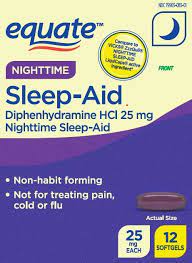
Uses
Diphenhydramine, commonly known by the brand name Benadryl, is a medication that belongs to the antihistamine class of drugs. While it is primarily used for the treatment of allergies, it also possesses sedative properties, making it an effective sleep aid. Diphenhydramine is often recommended for individuals who struggle with occasional sleeplessness or insomnia.
Benefits
The main benefit of using diphenhydramine as a nighttime sleep aid is its ability to induce drowsiness and promote a restful night’s sleep. By blocking the actions of histamine, a chemical released by the body during an allergic reaction, diphenhydramine reduces the symptoms of allergies and alleviates itchiness, sneezing, and runny nose, allowing individuals to sleep more comfortably.
Side Effects
As with any medication, diphenhydramine may cause certain side effects. The most common side effect is drowsiness, which is desired when using this medication as a sleep aid. However, it may also cause dry mouth, blurred vision, constipation, and urinary retention. These side effects are generally mild and temporary. It is important to note that diphenhydramine can interact with other medications, such as those used for depression, anxiety, or seizures, so it is crucial to consult a healthcare professional before starting this medication.
Warnings
While diphenhydramine is considered safe for most individuals, there are some important warnings to be aware of. It should not be used by individuals who have an allergy to diphenhydramine or any other antihistamines. Additionally, diphenhydramine should be used with caution in individuals with certain medical conditions, such as glaucoma, enlarged prostate, or asthma, as it may worsen these conditions. It is always recommended to speak with a healthcare professional before starting any new medication, especially if you have any underlying health concerns.
FAQs
Diphenhydramine is not recommended for long-term use as a sleep aid. It is intended for short-term relief of occasional sleeplessness. If you are experiencing chronic insomnia, it is best to consult a healthcare professional for a more suitable treatment plan.
Diphenhydramine typically starts working within 30 minutes to an hour after ingestion. However, individual responses may vary.
Diphenhydramine should not be used in children under the age of 12 unless specifically directed by a healthcare professional. Always consult a pediatrician before administering any medication to children.
Diphenhydramine is not considered habit-forming. However, if you find yourself relying on it for sleep regularly, it is advisable to consult a healthcare professional to address any underlying sleep issues.
Yes, in addition to sleep aids, there are several lifestyle changes that can promote better sleep. These include establishing a consistent sleep schedule, creating a relaxing bedtime routine, avoiding caffeine and electronic devices before bed, and creating a comfortable sleep environment.






