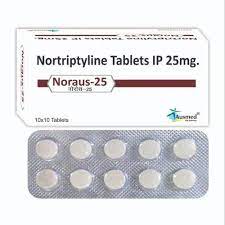
Nortriptyline is a medication primarily used to treat depression. It belongs to a class of drugs known as tricyclic antidepressants. While it is primarily prescribed for depression, doctors may also prescribe it for other conditions, such as chronic pain, anxiety disorders, and migraines. In this article, we will explore the uses, benefits, potential side effects, and important warnings regarding the use of Nortriptyline.
Uses
Nortriptyline is commonly prescribed to individuals experiencing major depressive disorder. It works by increasing the levels of certain chemicals in the brain, such as serotonin and norepinephrine, which help to improve mood and relieve depression symptoms. The medication helps balance these neurotransmitters and ultimately improve the patient’s overall well-being.
Beyond depression, healthcare professionals may prescribe Nortriptyline for individuals suffering from chronic pain conditions, such as fibromyalgia or neuropathic pain. It can help reduce the severity of pain by altering the way the brain perceives and responds to pain signals.
Nortriptyline has also shown efficacy in managing certain anxiety disorders, including panic disorder and social phobia. By targeting the imbalances in brain chemicals associated with anxiety, this medication can provide relief for those struggling with persistent anxiety symptoms.
Additionally, Nortriptyline has been used as a preventative treatment for certain types of migraines. By regulating the levels of neurotransmitters in the brain, it can potentially reduce the frequency and severity of migraines, improving the quality of life for individuals who suffer from these debilitating headaches.
Benefits
The main benefit of Nortriptyline lies in its ability to alleviate depressive symptoms and improve mood. For individuals struggling with major depressive disorder, this medication can offer a new lease on life, allowing them to regain interest in activities, improve their appetite, regulate their sleep patterns, and restore their overall sense of well-being.
In relation to chronic pain, the use of Nortriptyline can bring relief, making daily activities more manageable and improving the quality of life for those living with debilitating pain conditions.
For individuals with anxiety disorders, taking Nortriptyline can significantly reduce the anxiety symptoms, allowing for a more functional and peaceful daily life. It can also help address associated symptoms like sleep disturbances or excessive worry.
Migraine sufferers who take Nortriptyline may experience a reduction in the frequency, duration, and intensity of their migraines, enabling them to regain control over their lives and minimize the impact these headaches have on their daily routines.
Side Effects
As with any medication, Nortriptyline can cause side effects. Common side effects include dry mouth, blurred vision, dizziness, constipation, weight gain, and drowsiness. These side effects are generally mild and temporary, but if they persist or become bothersome, it is advised to consult a healthcare professional.
In some cases, Nortriptyline may cause more severe side effects that require immediate medical attention. These can include chest pain, rapid or irregular heartbeat, difficulty urinating, severe dizziness, extreme mood changes, and hallucinations. If any of these symptoms occur, it is crucial to seek medical assistance promptly.
Warnings
Before taking Nortriptyline, it is essential to inform your healthcare provider about any pre-existing medical conditions, such as heart problems, liver or kidney disease, diabetes, or a history of seizures. Nortriptyline may interact with these conditions and should be used with caution or avoided altogether.
Additionally, patients should be cautious when combining Nortriptyline with certain medications or substances, such as MAO inhibitors, sedatives, tranquilizers, or alcohol. These interactions can intensify the sedative effects of Nortriptyline and increase the risk of side effects.
Individuals who are pregnant, planning to become pregnant, or breastfeeding should discuss the potential risks and benefits of taking Nortriptyline with their healthcare provider. This medication may pose risks to the unborn child or nursing infant, and the decision to use it should be made under medical supervision.
FAQs
Nortriptyline can be prescribed for chronic pain, anxiety disorders, and certain migraines in addition to depression.
The effects of Nortriptyline may not be felt immediately. It may take a few weeks of consistent use to notice an improvement in symptoms.
Nortriptyline can be prescribed to older adults, but they might be more prone to experiencing side effects. Close monitoring is necessary.
No, stopping the medication abruptly can lead to withdrawal symptoms. It is important to follow the dosing instructions given by your healthcare provider.
Nortriptyline is generally not recommended for use in children and adolescents under the age of 18, as its safety and effectiveness have not been well-established in this age group.
conclusion
In conclusion, Nortriptyline can be a valuable medication for individuals suffering from depression, chronic pain, anxiety disorders, and migraines. The benefits it offers in improving quality of life must be weighed against potential side effects and individual considerations. It is crucial to discuss the use of Nortriptyline with a qualified healthcare professional to ensure its safe and effective utilization.