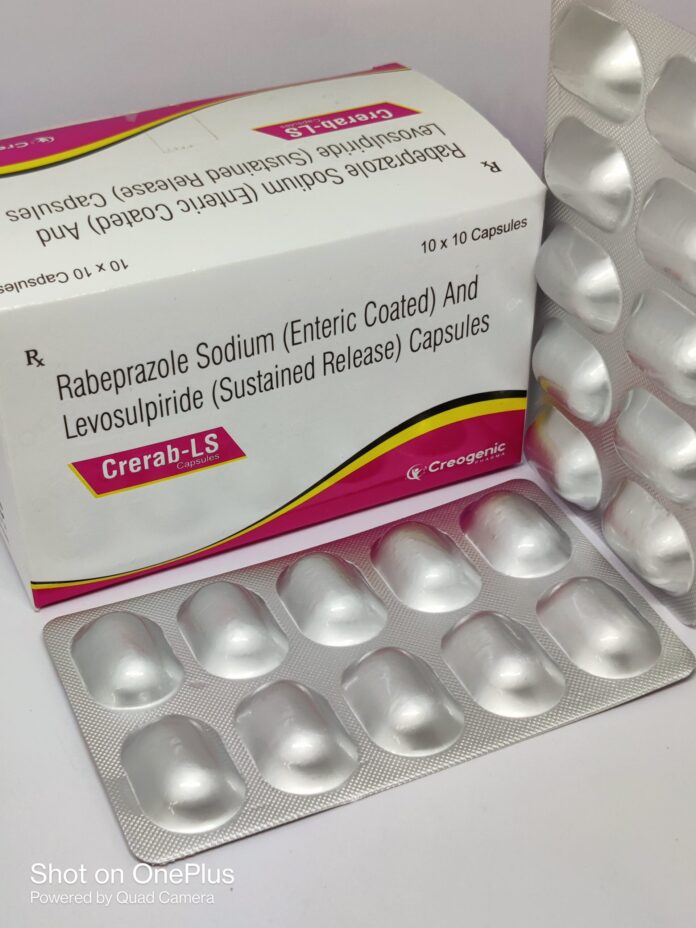
Rabeprazole is a medication known as a proton pump inhibitor (PPI). It is used to treat various conditions related to excessive stomach acid production. Rabeprazole works by reducing the amount of acid produced in the stomach, thereby alleviating symptoms associated with disorders such as gastroesophageal reflux disease (GERD), stomach ulcers, and Zollinger-Ellison syndrome.
Uses
Rabeprazole is commonly prescribed to treat GERD, a condition where acid from the stomach flows back into the esophagus, resulting in heartburn, regurgitation, and a bitter taste in the mouth. It effectively relieves these symptoms by reducing the production of gastric acid.
In addition, rabeprazole is used to promote healing of erosive esophagitis, which is when the lining of the esophagus becomes inflamed and damaged due to excessive acid exposure. It helps to reduce inflammation and allow the esophagus to heal properly.
Rabeprazole can also be prescribed to treat gastric ulcers, which are open sores that develop in the lining of the stomach. By reducing acid production, it aids in the healing process and helps prevent further complications.
Furthermore, rabeprazole is effective in managing symptoms associated with Zollinger-Ellison syndrome, a rare condition characterized by the overproduction of gastric acid. By reducing acid levels in the stomach, it helps alleviate symptoms such as stomach pain, diarrhea, and heartburn.
Benefits
The use of rabeprazole offers several benefits for individuals suffering from conditions related to excessive gastric acid production. Some of the key benefits include:
1. Symptom Relief: Rabeprazole provides relief from the burning sensation and pain associated with acid reflux, allowing individuals to lead more comfortable lives.
2. Healing of Esophagus: By reducing acid production, rabeprazole promotes the healing of the esophageal lining, minimizing the risk of complications such as bleeding or scarring.
3. Prevention of Ulcers: Rabeprazole aids in the healing process of gastric ulcers and helps prevent the development of new ulcers, reducing the risk of complications.
4. Regulation of Gastric Acid: Rabeprazole effectively regulates the production of gastric acid, preventing its excessive secretion and maintaining a healthy acid balance in the stomach.
5. Long-term Management: Rabeprazole can be used for long-term management of conditions such as GERD, allowing individuals to better control their symptoms and prevent flare-ups.
Side Effects
While rabeprazole is generally well-tolerated, like any medication, it may cause some side effects in certain individuals. Common side effects include:
1. Headache: Some individuals may experience headaches as a side effect of rabeprazole treatment. These headaches are generally mild and resolve on their own.
2. Nausea and Vomiting: Rabeprazole can cause nausea and vomiting in some individuals, particularly during the initial stages of treatment. These symptoms usually subside over time.
3. Diarrhea: A potential side effect of rabeprazole is diarrhea. In most cases, this side effect is mild and resolves without intervention.
4. Abdominal Pain: Some individuals may experience mild abdominal pain or discomfort while taking rabeprazole. This is generally temporary and not a cause for concern.
5. Skin Rash: Although rare, rabeprazole can cause skin rash or itching. If these symptoms occur, medical attention should be sought promptly.
It is important to note that these side effects are generally mild and temporary. However, if any side effect persists or becomes bothersome, it is advisable to consult a healthcare professional for further evaluation.
Warnings
Rabeprazole should be used with caution and under the supervision of a healthcare professional. Some important precautions to consider before starting rabeprazole treatment include:
1. Allergic Reactions: Individuals with a known hypersensitivity to rabeprazole or any other PPI should not take this medication, as it may lead to severe allergic reactions.
2. Drug Interactions: Rabeprazole may interact with certain medications, such as warfarin or digoxin, affecting their effectiveness. It is important to inform your healthcare provider about all the medications, supplements, or herbal products you are currently taking.
3. Gastric Malignancy: Rabeprazole is not recommended if you suspect or have been diagnosed with gastric malignancy (stomach cancer). Proper evaluation and diagnosis are crucial before initiating treatment.
4. Osteoporosis: Prolonged use of high-dose rabeprazole may increase the risk of osteoporosis-related fractures. It is essential to discuss this risk with your healthcare provider, particularly if you have a history of osteoporosis or other bone-related conditions.
5. Pregnancy and Breastfeeding: The safety of rabeprazole during pregnancy and breastfeeding has not been fully established. It is important to seek medical advice before using this medication if you are pregnant or breastfeeding.
FAQs
Yes, rabeprazole can be taken on an empty stomach, at least 1 hour before a meal, to ensure optimal absorption of the medication.
Rabeprazole is generally not recommended for use in children unless specifically prescribed by a pediatrician, as safety and efficacy have not been established in this age group.
It is important to consult your healthcare provider before discontinuing rabeprazole treatment. Abruptly stopping the medication may lead to a relapse of symptoms and require additional treatment.
Combining rabeprazole with other acid-reducing medications, such as antacids, may be beneficial in certain cases. However, it is important to consult with a healthcare professional before combining medications.
Yes, making certain lifestyle changes can help manage acid-related conditions in conjunction with rabeprazole treatment. These may include avoiding trigger foods, maintaining a healthy weight, and elevating the head of the bed while sleeping.






. It is used to treat various conditions related to excessive stomach acid production.)