Uses
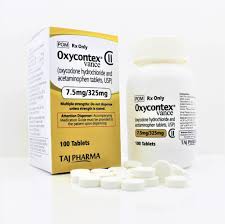
Oxycodone is a powerful opioid pain medication prescribed by doctors to relieve moderate to severe pain. It belongs to a class of drugs known as narcotic analgesics and works by binding to opioid receptors in the brain and spinal cord, altering the way the body perceives and responds to pain. This medication is typically used when other treatments have failed to provide adequate pain relief or are not suitable.
Benefits
Oxycodone provides effective pain relief and can greatly improve the quality of life for individuals suffering from chronic pain conditions.It can help manage pain from various causes, including injury, surgery, cancer, and certain medical conditions. The controlled release formulation of oxycodone provides long-lasting pain relief for around-the-clock management of chronic pain.
Side Effects
While oxycodone can be highly beneficial for pain management, it can also produce a range of side effects. Common side effects include constipation, dizziness, drowsiness, nausea, vomiting, and headache. These side effects are usually temporary and lessen with continued use. However, if any of these side effects persist or worsen, it is important to consult a healthcare professional.
In rare cases, oxycodone can cause more serious side effects, such as shallow breathing, fainting, confusion, or severe abdominal pain. It is essential to seek immediate medical attention if any of these severe side effects occur.
Warnings
1. Addiction and dependence: Oxycodone has a high potential for abuse and addiction. Prolonged use can lead to physical and psychological dependence. It is important to follow the prescribed dosage and duration strictly and not to increase it without medical guidance. Abruptly stopping oxycodone can lead to withdrawal symptoms.
2. Respiratory depression: Oxycodone can cause respiratory depression, which is slowed or shallow breathing. This effect can be dangerous, especially in individuals with pre-existing respiratory conditions. Care should be taken when using oxycodone, and any breathing difficulties should be immediately reported to a healthcare professional.
3. Interaction with other drugs: Oxycodone may interact with other medications, including sedatives, tranquilizers, muscle relaxants, or other opioids, which can increase the risk of side effects or respiratory depression. It is crucial to inform your doctor about all the medications you are taking to avoid any potential drug interactions.
4. Pregnancy and breastfeeding: Oxycodone use during pregnancy may cause withdrawal symptoms in newborns. It is important to consult a healthcare professional before using this medication while pregnant or breastfeeding.
5. Mental health concerns: Oxycodone may exacerbate symptoms of depression or other mental health conditions. Individuals with a history of substance abuse or mental health disorders should use oxycodone with caution and under close medical supervision.
FAQs
mmediate-release oxycodone generally starts working within 30 minutes to an hour, providing relatively quick pain relief. Controlled-release oxycodone, on the other hand, takes longer to begin working but provides extended pain relief over a longer duration.
Oxycodone can cause dizziness and drowsiness, which can impair your ability to drive or operate machinery safely. It is important to avoid these activities until you know how your body reacts to the medication.
Combining oxycodone with alcohol can enhance the central nervous system depressant effects, leading to increased drowsiness, breathing problems, and possible overdose. It is strongly advised to avoid alcohol while taking this medication.
Oxycodone can be used for long-term pain management, but the dosage and duration should be strictly monitored by a healthcare professional to minimize the risk of dependence, abuse, and addiction.
Oxycodone may not be safe for individuals with certain medical conditions or those taking specific medications. It is important to disclose your complete medical history to your doctor before starting oxycodone to ensure its safe use.
*Disclaimer: The information provided in this article is for educational purposes only and does not substitute professional medical advice. Always consult with a healthcare provider for proper guidance and treatment.






