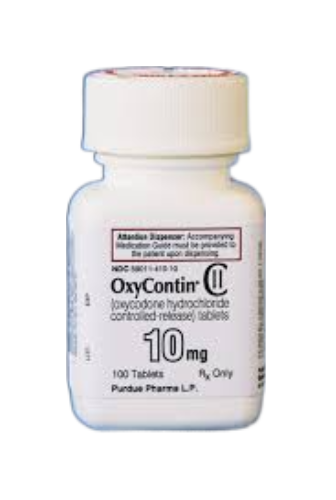
Oxycontin is a powerful prescription medication used to relieve moderate to severe pain. This article provides valuable information about the uses, benefits, side effects, and warnings associated with Oxycontin.
Uses
Oxycontin, also known by its generic name oxycodone, is classified as an opioid analgesic. It is primarily prescribed to manage pain that requires around-the-clock treatment and cannot be effectively controlled by other pain medications. Oxycontin is commonly utilized in cases of chronic pain, post-surgical pain, or pain associated with cancer.
Benefits
Oxycontin offers significant benefits for patients suffering from severe pain. By binding to opioid receptors in the brain and spinal cord, this medication alters the perception of pain. As a result, individuals experience relief and increased comfort. Oxycontin provides long-lasting pain relief due to its extended-release formulation, allowing patients to have a better quality of life by minimizing pain symptoms.
Side Effects
While Oxycontin is highly effective, it can cause certain side effects. Common side effects include constipation, dizziness, nausea, drowsiness, vomiting, and headache. These side effects are usually mild and temporary, but if they persist or worsen, it is essential to consult a healthcare professional.
There are also potential serious side effects associated with Oxycontin. It may cause slowed or difficulty breathing, which can be life-threatening. Other severe side effects include confusion, shallow breathing, severe drowsiness, inability to wake up, and low blood pressure. If any of these serious side effects occur, immediate medical attention should be sought.
Warnings
As with any medication, Oxycontin has specific warnings that should be considered. It is not recommended for individuals with respiratory problems, such as asthma or chronic obstructive pulmonary disease (COPD). This medication should also be used with caution or avoided entirely in patients with liver or kidney disease, as it can affect their function.
It is crucial to follow the prescribed dosage and frequency when taking Oxycontin. Misuse, including taking higher doses or using it more frequently than prescribed, can lead to dependence, addiction, or even fatal overdose.
Additionally, Oxycontin may cause withdrawal symptoms if abruptly discontinued after prolonged use. It is vital to consult a healthcare professional to gradually reduce the dosage when discontinuing the medication.
Furthermore, Oxycontin should not be used in combination with alcohol or certain medications, such as sedatives or tranquilizers, as these combinations can increase the risk of adverse effects or even be fatal.
FAQs
Oxycontin is generally not prescribed for short-term pain relief. It is primarily indicated for chronic pain that requires around-the-clock treatment.
Yes, Oxycontin can lead to dependence and addiction if not taken according to the prescribed dosage and frequency. It is essential to follow the healthcare professional’s instructions carefully.
Constipation is a common side effect of Oxycontin. Drinking plenty of water, increasing fiber intake, and exercising regularly can help manage constipation. Additionally, over-the-counter laxatives may be recommended in certain cases.
If a dose of Oxycontin is missed, it is crucial to take it as soon as possible. However, if it is close to the next scheduled dose, skip the missed dose and continue with the regular dosing schedule. Do not double the dose to make up for the missed one.
Oxycontin is generally not recommended during pregnancy unless the potential benefits outweigh the risks. It is crucial to consult a healthcare professional before using Oxycontin while pregnant.
conclusion
In conclusion, Oxycontin is a powerful medication used for the management of moderate to severe pain. While it provides significant relief, it can cause side effects and requires careful usage to avoid dependence and addiction. Patients should closely follow medical instructions and seek immediate medical attention if any severe side effects occur.






