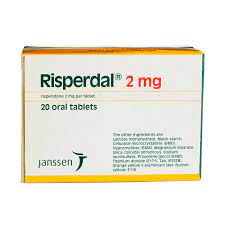
Risperdal is a medication that is primarily used to treat schizophrenia, bipolar disorder, and autism-related irritability in children and adolescents. The active ingredient in Risperdal is risperidone, which belongs to a class of medications known as atypical antipsychotics.
Uses
Risperdal is primarily used to treat the following conditions:
- Schizophrenia: Risperdal is used to manage the symptoms of schizophrenia, which include hallucinations, delusions, and disordered thinking.
- Bipolar disorder: Risperdal is used to manage the mania associated with bipolar disorder, which includes symptoms such as high energy, decreased need for sleep, and excessive talking.
- Autism-related irritability in children and adolescents: Risperdal is used to manage the irritability associated with autism, which can include aggression, self-injury, and tantrums.
Benefits
Risperdal has been shown to be effective in managing the symptoms of schizophrenia, bipolar disorder, and autism-related irritability in children and adolescents. It works by blocking the receptors in the brain that are responsible for the effects of certain neurotransmitters, such as dopamine and serotonin. This can help to reduce the symptoms of these conditions and improve the quality of life for those who suffer from them.
Side Effects
Like all medications, Risperdal has the potential to cause side effects. Some of the most common side effects of Risperdal include:
- Drowsiness
- Dizziness
- Headache
- Increase in appetite
- Weight gain
- Trouble sleeping
- Agitation or anxiety
- Constipation
- Dry mouth
In rare cases, Risperdal can cause more serious side effects, including tardive dyskinesia, a movement disorder that can cause repetitive, involuntary movements of the face and body. This side effect is more likely to occur in people who have been taking Risperdal for long periods of time. Other rare but serious side effects of Risperdal include neuroleptic malignant syndrome, a potentially fatal condition that can cause fever, muscle rigidity, and other symptoms, and increased risk of stroke in elderly patients with dementia-related psychosis.
Warnings
Before taking Risperdal, it is important to discuss any pre-existing medical conditions with your doctor, as well as any other medications you may be taking. Risperdal can interact with certain medications and may not be safe for people with certain medical conditions. Additionally, Risperdal should not be used during pregnancy or while breastfeeding, as it can pass through breast milk and into the baby’s bloodstream.
It is important to take Risperdal exactly as prescribed by your doctor, and to report any side effects or changes in symptoms to your doctor immediately. Abruptly stopping Risperdal can cause withdrawal symptoms, so it should be tapered off slowly under a doctor’s supervision.
FAQs
- Can Risperdal be used to treat depression?
No, Risperdal is not typically used to treat depression. It is primarily used to treat schizophrenia, bipolar disorder, and autism-related irritability in children and adolescents.
- What should I do if I miss a dose of Risperdal?
If you miss a dose of Risperdal, take it as soon as you remember. However, if it is almost time for your next dose, skip the missed dose and continue with your regular dosing schedule. Do not double up on doses to make up for a missed dose.
- Can Risperdal be used in older adults?
Yes, Risperdal can be used in older adults to treat certain conditions, such as dementia-related psychosis. However, older adults may be more sensitive to the side effects of Risperdal, and may require a lower dose.
- Can Risperdal be used for anxiety?
Risperdal is not typically used to treat anxiety. It is primarily used to treat schizophrenia, bipolar disorder, and autism-related irritability in children and adolescents.
- How long does it take for Risperdal to start working?
The effects of Risperdal can vary depending on the individual and the condition being treated. In some cases, it may take several weeks for the full effects of Risperdal to be felt. It is important to continue taking Risperdal as prescribed by your doctor, even if you do not notice immediate improvement in your symptoms.