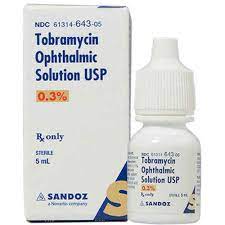
Tobramycin ophthalmic drops are a medication commonly prescribed by ophthalmologists for the treatment of bacterial eye infections. This antibiotic medication is specifically designed to target and eliminate bacteria that cause eye infections, helping to relieve symptoms and promote healing. In this article, we will explore the uses, benefits, potential side effects, and important warnings associated with the use of tobramycin ophthalmic drops.
Uses of Tobramycin Ophthalmic Drops
Tobramycin ophthalmic drops are primarily used to treat bacterial eye infections, including conjunctivitis (pink eye) and blepharitis (eyelid inflammation). These drops work by inhibiting the growth of bacteria, preventing them from spreading and causing further damage to the eye. Tobramycin ophthalmic drops are considered effective against a wide range of bacteria that commonly cause eye infections.
Benefits of Tobramycin Ophthalmic Drops
The main benefit of using tobramycin ophthalmic drops is the ability to effectively treat bacterial eye infections. When used as directed by a healthcare professional, these drops can provide relief from symptoms such as redness, itching, discharge, and discomfort. Additionally, tobramycin ophthalmic drops can help prevent the infection from spreading to other parts of the eye, reducing the risk of complications and promoting faster healing.
Side Effects of Tobramycin Ophthalmic Drops
While tobramycin ophthalmic drops are generally well-tolerated, there are potential side effects that users should be aware of. Common side effects may include temporary stinging or burning sensation upon application, blurred vision, and increased sensitivity to light. These side effects are usually mild and subside on their own over time. However, if these side effects persist or worsen, it is important to consult a healthcare professional.
In rare cases, individuals may experience more severe side effects such as eye pain, swelling, redness, or a new eye infection. These symptoms should be reported to a healthcare professional immediately for further evaluation and appropriate treatment.
Warnings for Using Tobramycin Ophthalmic Drops
Before using tobramycin ophthalmic drops, it is essential to consider certain warnings and precautions:
- Allergies: Individuals with a known allergy to tobramycin or other aminoglycoside antibiotics should avoid using these drops. Allergic reactions can range from mild skin irritation to severe swelling and difficulty breathing. If an allergic reaction occurs, seek immediate medical attention.
- Pre-existing Eye Conditions: Individuals with certain pre-existing eye conditions, such as glaucoma or herpes infection of the eye, may be at a higher risk of experiencing complications when using tobramycin ophthalmic drops. It is crucial to inform your healthcare professional about any existing eye conditions before starting this medication.
- Pregnancy and Breastfeeding: The safety of tobramycin ophthalmic drops during pregnancy or breastfeeding has not been established. It is recommended to consult with a healthcare professional before using these drops if you are pregnant, planning to become pregnant, or breastfeeding.
- Proper Application: It is important to follow the instructions provided by your healthcare professional regarding the correct dosage and application technique for tobramycin ophthalmic drops. Avoid touching the dropper tip to any surface to prevent contamination and potential eye injury.
- Interaction with Other Medications: Inform your healthcare professional about any other medications, including over-the-counter drugs and supplements, that you are currently taking. Certain medications may interact with tobramycin and affect its effectiveness or increase the risk of side effects.
Conclusion
It is important to remember that the information provided in this article is for informational purposes only and should not replace the advice of a healthcare professional. If you have any concerns or questions about the use of tobramycin ophthalmic drops, consult with a qualified healthcare professional for personalized guidance.
Frequently Asked Questions (FAQs)
No, tobramycin ophthalmic drops are specifically designed to treat bacterial eye infections and are not effective against viral infections. It is essential to consult a healthcare professional for appropriate treatment of viral eye infections.
The duration of treatment with tobramycin ophthalmic drops will depend on the severity of the infection and the instructions provided by your healthcare professional. It is important to complete the full course of treatment, even if symptoms improve, to ensure the infection is fully eradicated.
Contact lenses should be avoided while using tobramycin ophthalmic drops, as they can interfere with the medication’s effectiveness and increase the risk of eye irritation. It is best to consult with your eye care professional regarding the appropriate use of contact lenses during treatment.
Tobramycin ophthalmic drops can be used in children, but the dosage and duration of treatment may vary based on the child’s age and the severity of the infection. It is important to consult with a pediatrician or healthcare professional before administering these drops to children.
If you miss a dose of tobramycin ophthalmic drops, apply it as soon as you remember. However, if it is close to the time for your next scheduled dose, skip the missed dose and continue with your regular dosing schedule. Do not double the dose to make up for a missed one.






