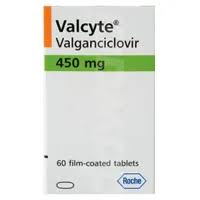
Valcyte is an antiviral medicine that is used to treat several viral infections, including cytomegalovirus (CMV) retinitis in patients with AIDS and to prevent CMV disease in transplant patients. The active ingredient in Valcyte is valganciclovir, which is converted into ganciclovir in the body. This medication is available in tablet form to be taken by mouth.
Uses
Valcyte is primarily used to treat the following conditions:
Cytomegalovirus (CMV) retinitis
CMV retinitis is a viral infection that causes inflammation of the retina. It is a severe condition that can cause blindness if left untreated. Valcyte is prescribed to patients with AIDS who have developed this condition. This medication can help to slow or stop the progression of this disease.
CMV prophylaxis
Valcyte is also used to prevent the reactivation of CMV infection in transplant patients. CMV is a common virus that can cause severe complications in individuals with weakened immune systems. Transplant patients are at higher risk of developing CMV. Valcyte is prescribed to prevent the occurrence of CMV disease in these patients.
Benefits
Valcyte has various benefits for patients suffering from viral infections such as:
Effective treatment
Valcyte is an effective treatment for CMV retinitis in patients with AIDS. Studies have shown that taking Valcyte prevents the progression of CMV disease and can help patients maintain their vision.
Preventative measures
Valcyte is prescribed as prophylaxis to prevent CMV disease in transplant patients. This medication reduces the risk of developing CMV and prevents the occurrence of severe complications.
Cutting-edge treatment
Valcyte is a cutting-edge medication that has revolutionized the treatment of viral infections. It has helped to improve the prognosis for patients with CMV retinitis and reduce the incidence of CMV disease in transplant patients.
Side Effects
As with any medication, there are potential side effects that may occur when taking Valcyte. These side effects may vary from patient to patient and can range from mild to severe. Some of the common side effects of Valcyte include:
Headache
Valcyte may cause headaches in some patients. This side effect is usually mild and can be relieved with over-the-counter pain medication.
Diarrhea
Diarrhea is another common side effect of Valcyte. This side effect can be managed by staying hydrated and eating a healthy diet.
Nausea and vomiting
Valcyte may also cause nausea and vomiting in some patients. This side effect can be managed by taking the medication with food.
Warnings
Valcyte is a powerful medication that should be taken with caution. There are certain precautions that patients should take when using this medication.
Pregnancy and breastfeeding
Valcyte should not be taken by pregnant or breastfeeding women unless prescribed by a doctor. This medication may cause harm to the fetus or baby.
Kidney disease
Valcyte should be used with caution in patients with kidney disease. This medication is excreted through the kidneys, and its use may cause kidney damage in patients with pre-existing kidney disease.
Drug interactions
Valcyte may interact with other medications and cause adverse reactions. Patients should inform their doctor of all medications they are currently taking before starting this medication.
conclusion
In conclusion, Valcyte is a potent medication that can effectively treat viral infections. It has revolutionized the treatment of CMV retinitis and has helped to prevent CMV disease in transplant patients. Patients should be aware of the potential side effects and take precautions when using this medication. If you have questions or concerns about Valcyte, speak with your doctor.
FAQs
Valcyte is an effective treatment for CMV retinitis. It has been shown to slow or stop the progression of this disease, and many patients have successfully maintained their vision while taking this medication.
The time it takes for Valcyte to work varies from patient to patient. It may take several weeks or even months before the full benefits of this medication are seen.
If you miss a dose of Valcyte, take it as soon as you remember. If it is close to the time of your next dose, skip the missed dose and continue with your regular schedule.
Patients taking Valcyte should avoid activities that require alertness, such as driving or operating heavy machinery, until they know how the medication affects them.
Valcyte can be taken with or without food. Patients who experience nausea or vomiting may find it helpful to take the medication with food.






