Uses
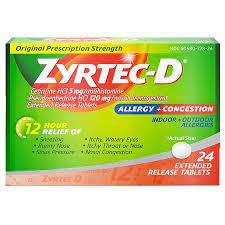
Zyrtec D is a combination medication that contains cetirizine and pseudoephedrine. It is primarily used to relieve symptoms associated with seasonal allergies, such as sneezing, runny nose, itchy or watery eyes, and nasal congestion. Zyrtec D works by reducing the production of histamine, a substance that triggers allergic reactions in the body, and by constricting blood vessels in the nasal passages to alleviate congestion.
Benefits
Zyrtec D offers numerous benefits for individuals suffering from allergies. It provides fast and effective relief from common allergy symptoms, allowing individuals to go about their daily activities without discomfort. Unlike some other allergy medications, Zyrtec D does not cause drowsiness in most individuals, making it suitable for daytime use. This medication also provides long-lasting relief, with a single tablet offering symptom relief for up to 12 hours.
Side Effects
While Zyrtec D is generally well-tolerated, it may cause some side effects in certain individuals. Common side effects include dizziness, dry mouth, headache, nausea, and insomnia. These side effects are typically mild and go away on their own. However, if any of these side effects persist or worsen, it is recommended to consult a healthcare professional.
In rare cases, Zyrtec D may cause more severe side effects that require immediate medical attention. These include difficulty urinating, rapid or irregular heartbeat, hallucinations, severe dizziness, and seizures. It is important to seek medical help if any of these serious side effects occur.
Warnings
Before taking Zyrtec D, it is important to consider certain precautions and warnings. This medication should not be used by individuals who have a history of allergic reactions to cetirizine, pseudoephedrine, or any other ingredients present in Zyrtec D. Zyrtec D is not recommended for children under the age of 12, as it may cause severe side effects in this age group.
Individuals with certain medical conditions should use Zyrtec D with caution or avoid it altogether. These medical conditions include uncontrolled high blood pressure, narrow-angle glaucoma, enlarged prostate, cardiovascular disease, thyroid problems, and diabetes. Additionally, Zyrtec D may interact with certain medications, such as MAO inhibitors, beta-blockers, or antidepressants. It is important to inform your healthcare provider about all the medications you are currently taking to avoid any potential interactions.
FAQs
Individuals with uncontrolled high blood pressure should use Zyrtec D with caution or consult their healthcare provider before taking it. Pseudoephedrine, one of the active ingredients in Zyrtec D, can potentially raise blood pressure.
It is important to consult a healthcare professional before using Zyrtec D during pregnancy. While cetirizine is generally considered safe during pregnancy, pseudoephedrine may have potential risks. The benefits and potential risks for the mother and baby should be discussed with a healthcare provider.
Combining Zyrtec D with other allergy medications, especially those containing antihistamines, can increase the risk of side effects such as dizziness and dry mouth. It is recommended to consult a healthcare professional before using multiple allergy medications together.
Zyrtec D may cause dizziness or drowsiness in some individuals. If you experience these side effects, it is advisable to avoid driving or operating heavy machinery until you know how this medication affects you.
Zyrtec D is primarily indicated for relieving allergy symptoms and may not effectively treat cold symptoms. It is best to consult a healthcare professional for appropriate treatment options for cold symptoms.






