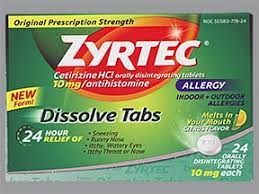
Zyrtec: Uses, Side Effects, and Warnings
Zyrtec is a brand of the medication Cetirizine, an antihistamine used to treat a range of allergy symptoms. In this article, we will discuss the uses, benefits, and side effects of Zyrtec, as well as important warnings for those considering or currently taking this medication.
Uses
Zyrtec is commonly used to treat allergy symptoms, including:
- Runny nose
- Sneezing
- Itchy, watery eyes
- Itchy nose or throat
- Hives
- Itching
It works by blocking the release of histamine, a chemical produced by the body in response to an allergen. By preventing the release of histamine, Zyrtec can reduce the intensity of allergic reactions and relieve symptoms.
Aside from allergies, Zyrtec can also be used to treat itching and swelling caused by chronic urticaria, a condition characterized by persistent hives.
Benefits
The benefits of Zyrtec include relief from allergy symptoms and itching caused by chronic urticaria. Compared to other antihistamines, Zyrtec is generally less sedating, making it a good option for those who need relief from allergy symptoms while still being able to function normally throughout the day.
Additionally, Zyrtec is available in tablet and liquid form, making it easy for people of all ages.
Side Effects
While Zyrtec is generally considered safe and effective, it can cause some side effects. The most common side effects include:
- Drowsiness
- Dry mouth
- Fatigue
- Headache
- Nausea
- Diarrhea
- Stomach pain
In rare cases, Zyrtec can cause more severe side effects, such as:
- Severe allergic reaction (anaphylaxis)
- Rapid or irregular heartbeat
- Seizures
- Difficulty urinating
If you experience any of these more severe side effects, seek medical attention immediately.
Warnings
Before taking Zyrtec, it is important to be aware of potential warnings. Zyrtec should not be taken if you:
- Are allergic to Cetirizine or any other antihistamines
- Have severe kidney disease
- Are pregnant or breastfeeding without consulting with your doctor
Additionally, Zyrtec can interact with other medications, including antidepressants, anti-anxiety medications, and opioids. Speak with your doctor or pharmacist before taking Zyrtec if you are taking any other medications.
FAQs
Yes, Zyrtec can be taken with or without food.
While it is generally safe to drink alcohol in moderation while taking Zyrtec, it is not recommended to drink heavily as it could increase the risk of certain side effects.
Yes, Zyrtec can be taken long-term for the treatment of chronic urticaria. However, it is important to speak with your doctor about using it long-term to ensure it is still safe and effective for you.
It is generally not recommended to take multiple antihistamines at once, as this can increase the risk of side effects. Speak with your doctor before taking any additional allergy medications with Zyrtec.
Yes, Zyrtec is safe for children over the age of six months. However, the dosage and form of the medication may differ based on the child’s age and weight. Consult with a pediatrician before giving Zyrtec to a child.
Conclusion
In conclusion, Zyrtec is a widely used medication for treating allergy symptoms and chronic urticaria. While generally considered safe and effective, it is important to be aware of potential side effects and warnings before taking this medication. Always speak with your doctor or pharmacist before starting any new medication and follow the prescribed dosage and instructions.






