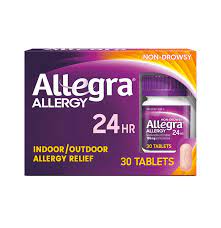
Allergy medicine, also known as antihistamines, are medications designed to alleviate the symptoms caused by allergic reactions. Whether it’s hay fever, pet allergies, or food sensitivities, these medications offer relief for those suffering from the unpleasant symptoms associated with allergies. However, it’s important to understand their uses, benefits, side effects, and warnings before incorporating them into your treatment plan.
Uses
Allergy medicine is primarily used to manage the symptoms caused by allergic reactions. These symptoms may include:
1. Sneezing: Allergens such as pollen, dust mites, or pet dander can trigger sneezing, which can be incessant and disruptive.
2. Itchy, watery eyes: Allergies often cause the eyes to become itchy, red, and watery, making it difficult to focus and causing discomfort.
3. Runny or stuffy nose: Allergens can lead to nasal congestion, causing a runny or stuffy nose, making breathing challenging.
4. Skin rashes: Allergic reactions can manifest as skin rashes, hives, or eczema, leading to intense itching and irritation.
5. Allergic asthma: In some cases, allergies can trigger asthma symptoms, such as wheezing, coughing, and shortness of breath.
By targeting the body’s histamine receptors, allergy medicine helps alleviate these symptoms, providing much-needed relief to those affected.
Benefits
The benefits of allergy medicine are numerous and can significantly improve the quality of life for individuals suffering from allergies. Some of the advantages include:
1. Symptom relief: Allergy medicine effectively reduces or eliminates symptoms, allowing individuals to function without constant discomfort or interruption.
2. Improved sleep: By alleviating symptoms like sneezing, itching, and congestion, allergy medicine can promote better sleep quality, ensuring individuals wake up feeling refreshed.
3. Enhanced productivity: By managing allergy symptoms, these medications enable individuals to focus on daily tasks and responsibilities without being hindered by discomfort or distraction.
4. Reduced risk of complications: Untreated allergies can lead to complications such as sinus infections, ear infections, or worsening asthma. Allergy medicine helps minimize the risk of these complications by effectively managing symptoms.
Side Effects
While allergy medicine is generally safe and well-tolerated, it may cause certain side effects in some individuals. Common side effects may include:
1. Drowsiness: Some allergy medications, especially the older generation antihistamines, can induce drowsiness, which may impair concentration and reaction time. It’s advisable to avoid activities requiring alertness when taking these medications.
2. Dry mouth: Antihistamines can cause a decrease in saliva production, leading to a dry mouth sensation. Staying hydrated and chewing sugar-free gum can help alleviate this side effect.
3. Dizziness: Certain allergy medicines may cause dizziness or lightheadedness, especially when standing up quickly. Taking your time when changing positions can prevent this.
4. Nausea or upset stomach: Some individuals may experience mild gastrointestinal discomfort, such as nausea or upset stomach, when taking allergy medicine. Taking the medication with food can help reduce these side effects.
5. Blurred vision: In rare cases, allergy medicine may cause temporary blurred vision. If this occurs, it’s advisable to consult a healthcare professional.
Warnings
Although allergy medicine is generally safe, it’s important to be aware of certain warnings before use. These include:
1. Pre-existing medical conditions: Individuals with certain medical conditions, such as glaucoma, heart disease, high blood pressure, or urinary retention, should consult a healthcare professional before taking allergy medicine.
2. Pregnancy and breastfeeding: Pregnant or breastfeeding individuals should consult their healthcare provider before using allergy medicine, as some medications may not be safe for the baby.
3. Interactions with other medications: Allergy medicine may interact with certain medications, including sedatives, tranquilizers, or antidepressants. Inform your healthcare provider about all medications you are taking to avoid potential interactions.
4. Alcohol consumption: Alcohol can enhance the sedative effects of allergy medicine, increasing drowsiness and impairing coordination. It’s best to avoid or limit alcohol consumption while taking these medications.
5. Dosage and frequency: Follow the recommended dosage and frequency instructions provided by your healthcare provider or the medication package. Taking excessive amounts or using the medication too frequently can lead to adverse effects.
conclusion
In conclusion, allergy medicine provides significant relief for individuals suffering from allergies, effectively managing symptoms and improving quality of life. However, understanding its uses, benefits, potential side effects, and warnings is crucial for safe and effective use. Always consult with a healthcare professional for personalized advice and recommendations regarding allergy medicine.
Frequently Asked Questions (FAQs)
Depending on the type of allergy medicine, it may be safe to take it daily. However, it’s essential to follow the recommended dosage and consult with a healthcare professional if you have any concerns.
Allergy medicine does not cure allergies but helps manage the symptoms associated with allergic reactions. It provides relief but does not eliminate the underlying cause.
Some allergy medications can cause drowsiness and impair driving abilities. It’s advisable to assess how the medication affects you personally before operating a vehicle.
Some individuals may find relief from allergies by using natural remedies such as nasal saline rinses, steam inhalation, or avoiding allergens. However, the effectiveness of these alternatives varies from person to person.
Certain allergy medicines are approved for use in children, but it’s crucial to consult a pediatrician for appropriate dosages and recommendations based on the child’s age and weight.






